Peer review is meant to act as a quality filter for research. Before a paper is published, independent experts examine its methods, data, and conclusions. But what happens when the peer review process itself is faked or manipulated? Peer review fraud has led to the retraction of large numbers of papers and exposed serious weaknesses in academic publishing.
This article on peer review fraud explains what it is, the main ways it happens, notable patterns, how it is detected, its consequences, and how journals, reviewers, and authors can prevent it.
Table of Contents
What Is Peer Review Fraud?
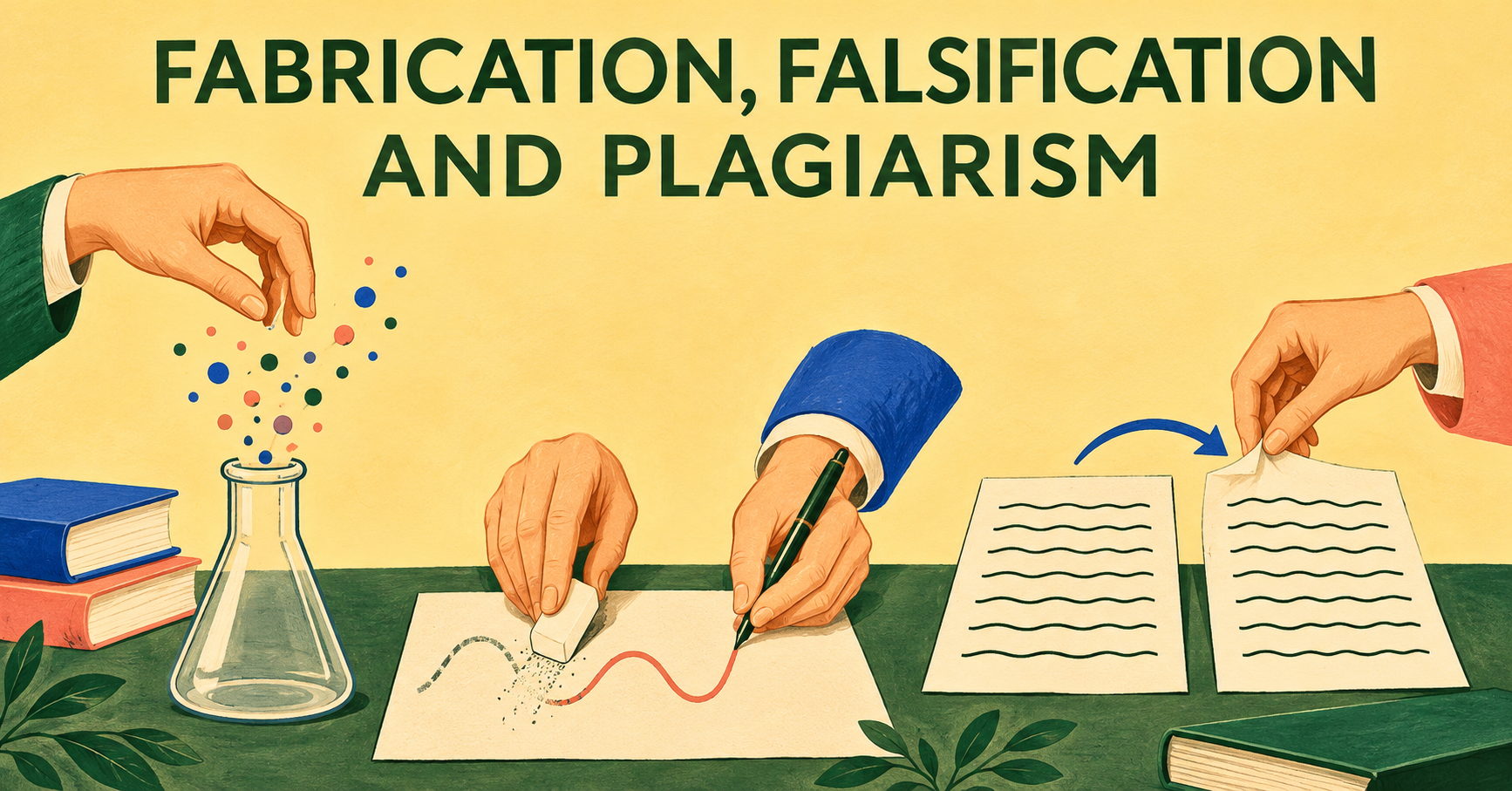
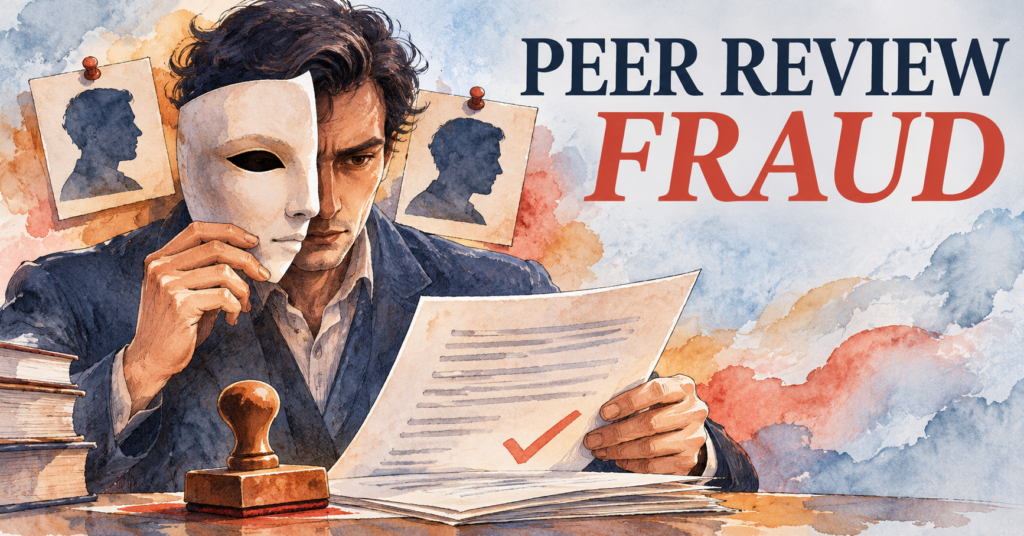
Peer review fraud refers to deliberate manipulation of the peer review process to influence publication decisions. It may involve authors, reviewers, editors, or third parties such as paper mills. The goal is usually to get papers accepted without genuine, independent evaluation.
Common Types of Peer Review Fraud
| Type | How It Works |
|---|---|
| Fake reviewer accounts | Authors suggest reviewers with email addresses they control |
| Review rings | Groups agree to review each other’s papers favourably |
| Compromised editors | Editors or guest editors accept papers without proper review |
| Paper mill manipulation | Mills arrange fake reviews for papers they sell |
| Reviewer misconduct | Reviewers steal ideas, delay competitors, or demand citations |
| Hidden prompts for AI | Concealed instructions in manuscripts aiming to influence AI-assisted reviews |
How Fake Reviewer Schemes Work
Many journals allow authors to suggest potential reviewers. In some fraud cases, authors provided names of real or invented experts but supplied email addresses they controlled. When the journal sent review invitations, the authors themselves wrote glowing reviews. These schemes have led to retractions of dozens of papers at a time once discovered.
Review Rings
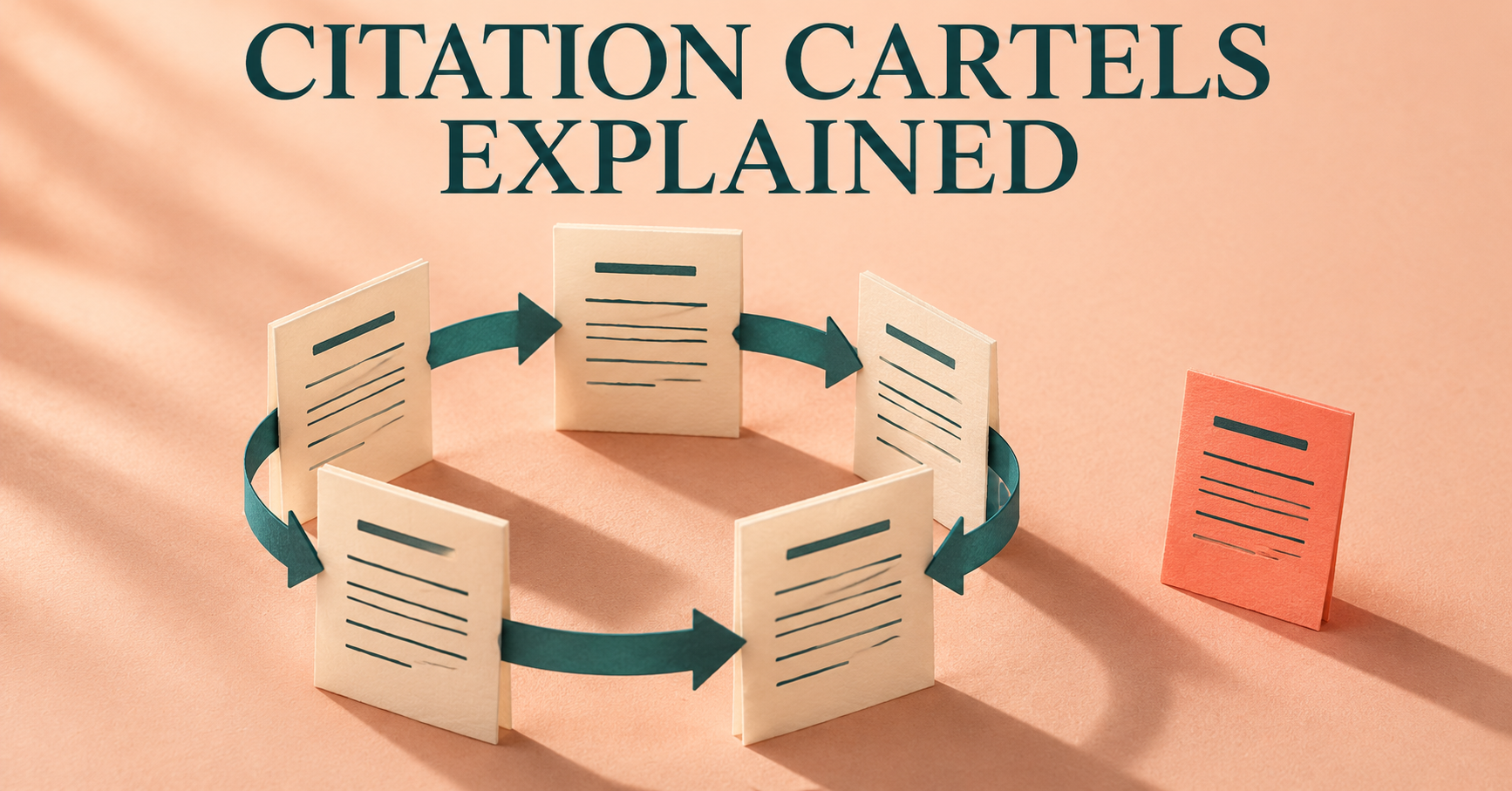
A review ring is a network of researchers who agree to review each other’s work positively, often using multiple identities. By exploiting reviewer databases and author-suggested reviewers, ring members can ensure their papers pass review with little scrutiny.
Compromised Editors and Special Issues
Guest editors manage many special issues. If a guest editor is dishonest or works with a paper mill, they may accept large numbers of low-quality or fake papers. Investigations into compromised special issues have led to some of the largest retraction events in publishing history.
Reviewer Misconduct
Peer review fraud is not only about fake reviews. Genuine reviewers may also behave unethically by:
- Stealing ideas or data from manuscripts under review
- Deliberately delaying a competitor’s paper
- Writing unfairly negative reviews for personal reasons
- Demanding citations to their own work
- Sharing confidential manuscripts with others
- Failing to disclose conflicts of interest
Why Peer Review Fraud Happens
- Publication pressure: careers and funding depend on publications
- Reviewer shortages: journals rely on author-suggested reviewers to save time
- Weak identity checks: reviewer email addresses are not always verified
- High volumes: editors handling many submissions may miss warning signs
- Commercial fraud: paper mills profit from guaranteed acceptance
Warning Signs of Peer Review Fraud
- Reviewer email addresses using free email services rather than institutional addresses
- Very fast or overly positive reviews with little detail
- Reviews that repeat the same wording across different papers
- Suggested reviewers who cannot be found online
- Reviewers who always recommend acceptance for the same authors
- Unusually high acceptance rates in a special issue
How Peer Review Fraud Is Detected
- Identity verification: checking reviewers through institutional emails and researcher identifiers such as ORCID
- Pattern analysis: identifying repeated reviewers, wording, or IP addresses
- Editor vigilance: noticing suspicious timelines or review content
- Whistleblowers: reports from researchers or staff
- Integrity sleuths: post-publication investigations revealing networks of linked papers
Consequences of Peer Review Fraud
For Papers
Papers accepted through manipulated review are often retracted, even if some of their content might be valid, because the review process was compromised.
For Authors and Reviewers
- Misconduct investigations by institutions
- Bans from submitting to or reviewing for journals
- Loss of jobs, funding, or academic titles
- Damage to reputation
For Journals
- Mass retractions and reputational damage
- Loss of indexing or impact factors
- Closure of journals in severe cases
An Illustrative Example
Imagine an author submits a paper and suggests three reviewers with impressive titles. The names belong to real professors, but the email addresses provided are free webmail accounts controlled by the author. The editor, short on time, invites the suggested reviewers. Within days, three highly positive reviews arrive, all recommending acceptance with minor changes. Months later, a routine check reveals that the same email addresses reviewed several other papers by the same group. The journal investigates, confirms the reviews were fake, and retracts all the affected papers.
This kind of scenario explains why many journals now verify reviewer identities carefully and treat author-suggested reviewers with caution.
The Role of Technology
Technology both enables and helps prevent peer review fraud. Online submission systems make it easy to create fake accounts, but they also record data that can reveal suspicious patterns, such as multiple reviewer accounts linked to the same location or device. Publishers increasingly use automated tools to flag unusual reviewer behaviour, while researcher identifiers help confirm that reviewers are who they claim to be.
Generative AI and New Risks
Generative AI introduces new challenges. Fraudsters may use AI to write convincing fake reviews quickly, while some authors have tried to hide instructions in manuscripts to influence AI-assisted reviewing. Journals are responding by setting clear rules on AI use in review and by monitoring for manipulation attempts.
How Journals Prevent Peer Review Fraud
- Limiting or banning author-suggested reviewers
- Verifying reviewer identities and institutional affiliations
- Using researcher identifiers to confirm reviewer records
- Monitoring special issues and guest editors closely
- Screening for unusual review patterns
- Training editors to spot red flags
- Following publication ethics guidance on handling suspected manipulation
What Reviewers Can Do
- Keep manuscripts confidential
- Declare conflicts of interest or decline when appropriate
- Provide fair, detailed, and constructive reviews
- Avoid demanding unnecessary citations to your own work
- Report suspicious invitations or manuscripts to editors
What Authors Should Know
- Never suggest fake reviewers or provide false contact details
- Be wary of services promising guaranteed acceptance
- Suggest only genuine, independent experts without conflicts
- Report coercive or unethical reviewer behaviour to editors
Why Retracting Fraudulently Reviewed Papers Matters
Some people ask why journals retract papers when the research itself may be sound. The reason is that peer review is a promise to readers that independent experts have checked the work. When that promise is broken, readers can no longer rely on the paper having been properly evaluated. Retraction restores honesty to the record, and genuine work can be resubmitted for proper review.
Rebuilding Trust in Review
Each discovered case of fraud leads journals to strengthen safeguards. Transparent processes and published review reports can also help readers see that genuine evaluation took place.
Final Thoughts
Peer review fraud undermines one of the most important safeguards in research. Through fake reviewer accounts, review rings, compromised editors, and paper mill schemes, fraudsters have pushed unreliable papers into the scientific record. Stronger identity checks, closer oversight of special issues, careful editorial work, and ethical behaviour by authors and reviewers are essential to protecting the integrity of peer review.