The VII Brazilian Meeting on Research Integrity, Science and Publication Ethics (VII BRISPE) represents a major academic gathering dedicated to strengthening responsible research practices. As research ecosystems evolve, integrity, transparency, and accountability remain central pillars of scientific credibility.
Scheduled in Rio de Janeiro on December 5–6, 2024, the seventh edition focuses on one of the most pressing contemporary issues: the intersection of research integrity and generative artificial intelligence. The event brings together scholars, policymakers, editors, funders, and communication professionals to reflect on the future of ethical science.
Event Overview
The VII BRISPE continues a tradition of fostering dialogue on ethical conduct in science and publication practices. Over the years, research integrity has moved beyond compliance frameworks and become a broader reflection on responsible research environments, institutional culture, and transparent communication. This edition builds upon that foundation while addressing technological transformations reshaping academia.
The 2024 meeting emphasizes how generative AI tools—particularly large language models—are redefining how researchers process data, write code, draft manuscripts, and review scientific work. By situating these changes within the broader integrity landscape, the event aims to promote balanced, evidence-based discussion rather than reactionary conclusions.
Event Snapshot
| Category | Details |
|---|---|
| Event Name | VII Brazilian Meeting on Research Integrity, Science and Publication Ethics |
| Theme | Research integrity and generative AI |
| Dates | December 5–6, 2024 |
| Location | Rio de Janeiro, Brazil |
| Target Audience | Researchers, educators, policymakers, editors, funders, journalists |
| Main Focus | Ethical implications of generative AI in research |
Theme Focus
The central theme, “Research integrity and generative AI: Navigating new ways of doing and communicating research,” highlights the dynamic relationship between innovation and ethics. Generative AI has rapidly entered academic workflows, assisting with data analysis, drafting, editing, and even peer review support. Such integration prompts deeper reflection on originality, authorship, and accountability.
Rather than framing AI as either a threat or a solution, VII BRISPE approaches it as a transformative tool requiring governance. The meeting encourages participants to examine how AI reshapes research norms, institutional policies, and expectations regarding transparency. The focus remains on preserving trust in science while embracing responsible innovation.
AI Challenges
Generative AI introduces complex challenges that demand structured discussion and policy adaptation. Researchers increasingly rely on AI-driven systems, yet ethical clarity has not fully matured alongside technological capability.
Key challenges include:
- Trustworthiness Concerns – Risk of fabricated references, inaccurate summaries, or misleading outputs generated by AI tools.
- Transparency Issues – Lack of clear disclosure standards regarding AI assistance in manuscripts and grant proposals.
- Bias Amplification – Potential reinforcement of social, cultural, or methodological biases embedded in training data.
- Data Governance – Uncertainty about data privacy and intellectual property when using AI platforms.
Addressing these concerns requires collaborative action from universities, publishers, funding agencies, and regulatory bodies. VII BRISPE provides a platform to evaluate safeguards that maintain research reliability while acknowledging technological progress.
Ethical Questions
The use of large language models in academic contexts raises profound ethical questions that go beyond technical performance. Integrity frameworks must adapt to new forms of authorship, collaboration, and accountability introduced by AI systems.
Major ethical debates include:
- Authorship Credit – Should AI tools be acknowledged, cited, or treated differently from traditional writing assistance?
- Responsibility Allocation – Who bears responsibility for AI-generated inaccuracies or ethical breaches?
- Originality Standards – How should originality be defined when AI contributes to drafting or analysis?
- Peer Review Integrity – Can AI-supported reviews maintain confidentiality and independent judgment?
These questions reflect a broader tension between automation and scholarly responsibility. The meeting encourages stakeholders to redefine norms in ways that uphold transparency without discouraging innovation.
Key Discussions
The program is designed to stimulate multidisciplinary dialogue through panels, keynote lectures, and interactive sessions. Participants will explore both conceptual and practical dimensions of research governance in the AI era.
Core discussion themes include:
- Policy Development – Institutional guidelines for responsible AI usage in research and publishing.
- Educational Strategies – Training researchers and students in ethical AI integration.
- Editorial Standards – Updating journal policies to reflect AI-assisted authorship.
- Cultural Shifts – Building research environments that value openness and accountability.
These sessions aim to move beyond theoretical concerns and toward actionable recommendations. By combining academic insight with institutional perspectives, the meeting seeks to shape national and international policy conversations.
Participant Profile
VII BRISPE invites a diverse community of stakeholders whose perspectives shape the research ecosystem. The event recognizes that integrity is not confined to laboratories or editorial offices but extends across the entire scientific enterprise.
Expected participants include:
- Researchers and Scholars – From all academic disciplines, examining AI integration in their work.
- University Leaders – Administrators responsible for governance and research culture.
- Editors and Publishers – Professionals updating publication standards.
- Funding Agencies – Organizations establishing compliance and accountability requirements.
- Journalists and Communicators – Media professionals covering scientific developments responsibly.
The inclusion of varied voices ensures comprehensive dialogue. Such diversity strengthens the collective capacity to address emerging ethical dilemmas in a rapidly evolving technological landscape.
Organizing Bodies
The event is organized by leading Brazilian academic institutions committed to advancing responsible science. Collaboration among universities and research centers reinforces the credibility and interdisciplinary nature of the meeting. Institutional support highlights the shared responsibility of academia in navigating technological change.
Supporters and media partners further enhance the event’s impact by extending its reach across scholarly communication networks. Partnerships with scientific publishers, research institutes, and integrity-focused organizations ensure that discussions resonate beyond the conference venue and contribute to long-term policy development.
Global Impact
Research integrity discussions are inherently global. Scientific collaboration transcends borders, and technological tools operate across jurisdictions. VII BRISPE contributes to international debates on AI governance by situating Brazilian perspectives within a broader scholarly context.
The meeting’s outcomes may influence editorial standards, funding policies, and institutional guidelines worldwide. By addressing generative AI through the lens of integrity, the event reinforces the idea that innovation must align with ethical responsibility. Long-term impact depends on sustained dialogue, evidence-based policymaking, and continuous adaptation to technological advances.
Closing Perspectives
VII BRISPE 2024 stands at the intersection of tradition and transformation. Research integrity remains a foundational principle of scientific credibility, yet its application must evolve alongside disruptive technologies. Generative AI offers efficiency, scalability, and analytical power, but it also challenges established norms of authorship and responsibility.
Through inclusive dialogue and forward-thinking discussion, the meeting aims to clarify how academia can responsibly integrate AI into research workflows. By fostering shared understanding among scholars, institutions, and policymakers, VII BRISPE contributes to shaping a future where innovation and integrity advance together rather than in conflict.
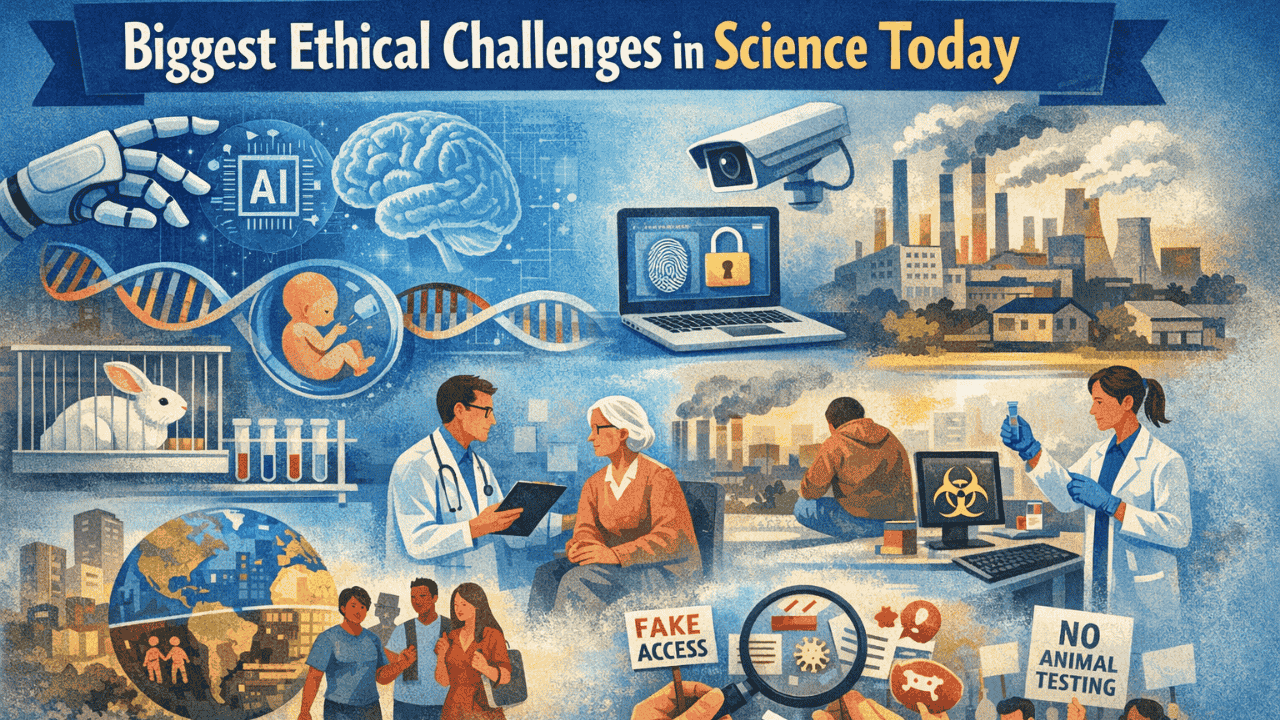
Biggest Ethical Challenges in Science Today


How Generative AI is Disrupting Academic Research

Key Trends in Research Ethics from VII BRISPE 2024

Teaching Research Ethics in the AI Era

How to Insure a Stamp Collection Displayed at International Exhibitions

FIP-Recognized Exhibitions Explained: Where VII BRISPE 2024 Stands

Are Stamps Still a Good Investment in 2024? Insights from BRISPE

How Youth and New Collectors Are Encouraged at VII BRISPE 2024

How to Start a Stamp Collection After Visiting VII BRISPE

Responsible Authorship in Scientific Research: Principles, Ethics, and Best Practices

Themed Stamp Collections That Stole the Spotlight at VII BRISPE