Retraction and Your Career
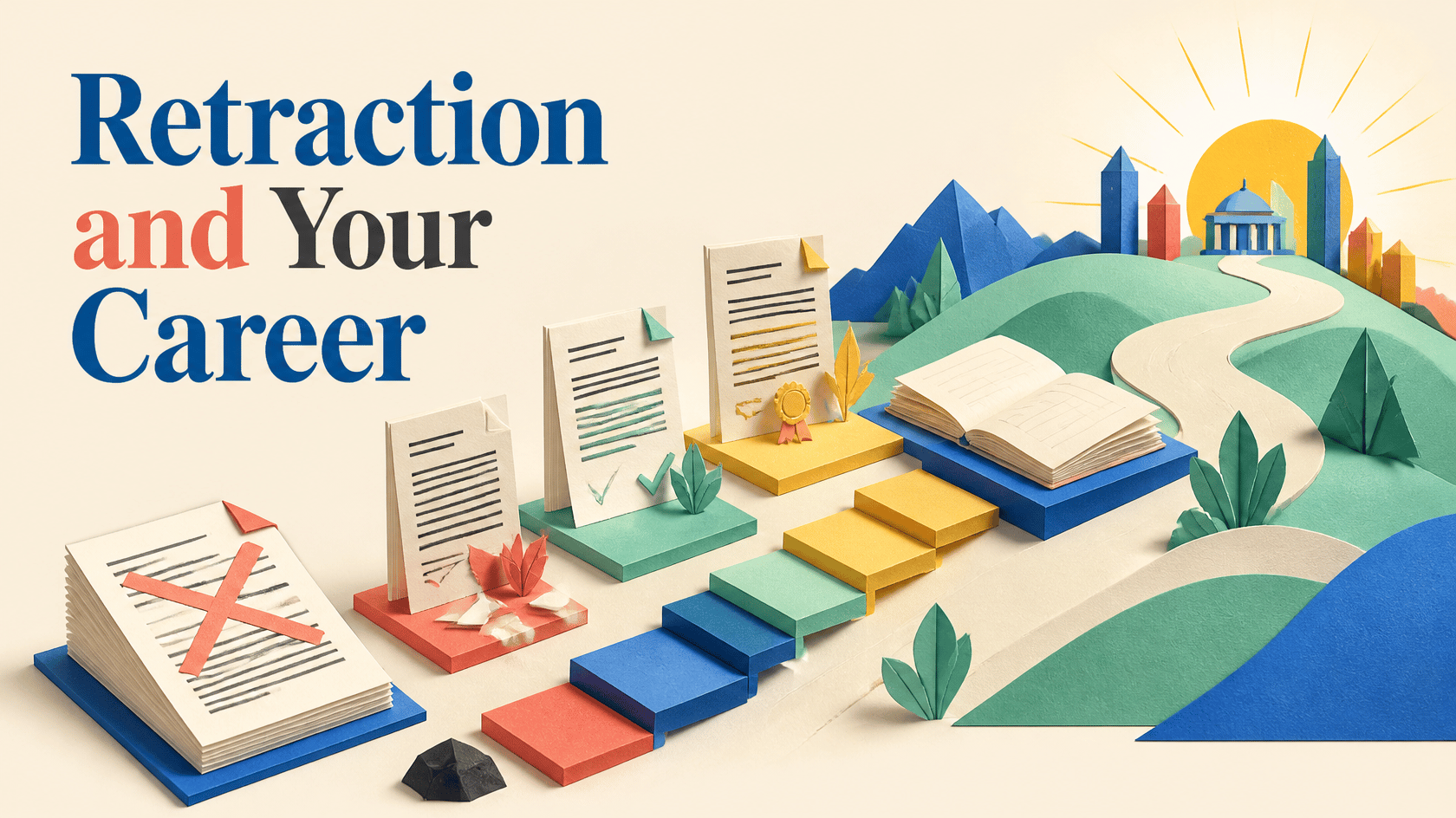
For many researchers, the word “retraction” sounds like a career-ending event. It can bring worry about reputation, funding, promotion, and ...

Why Retracted Papers Still Get Cited
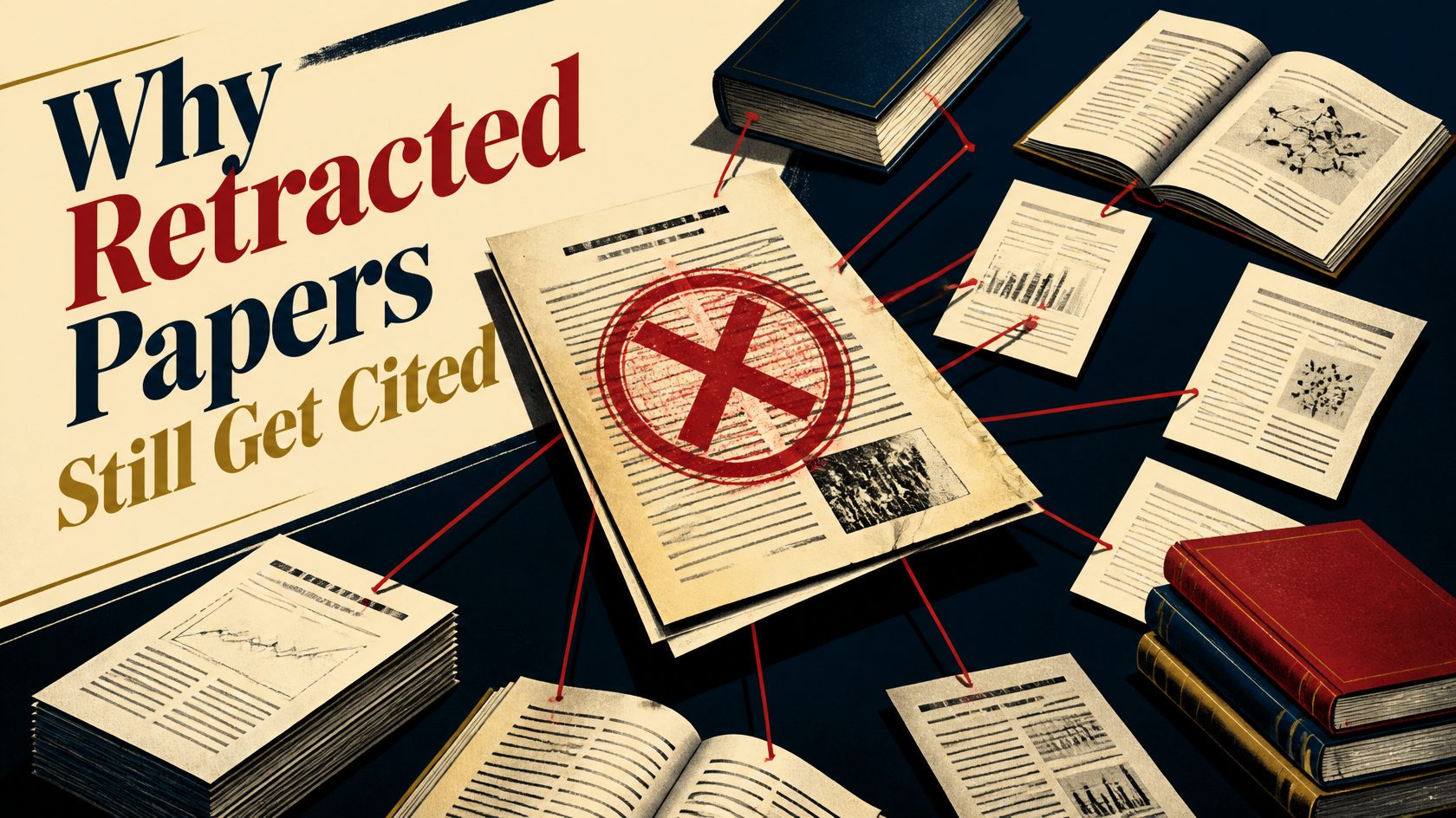
When a research paper is retracted, it is officially withdrawn from the scientific record because its findings cannot be trusted. ...
Correction vs Retraction
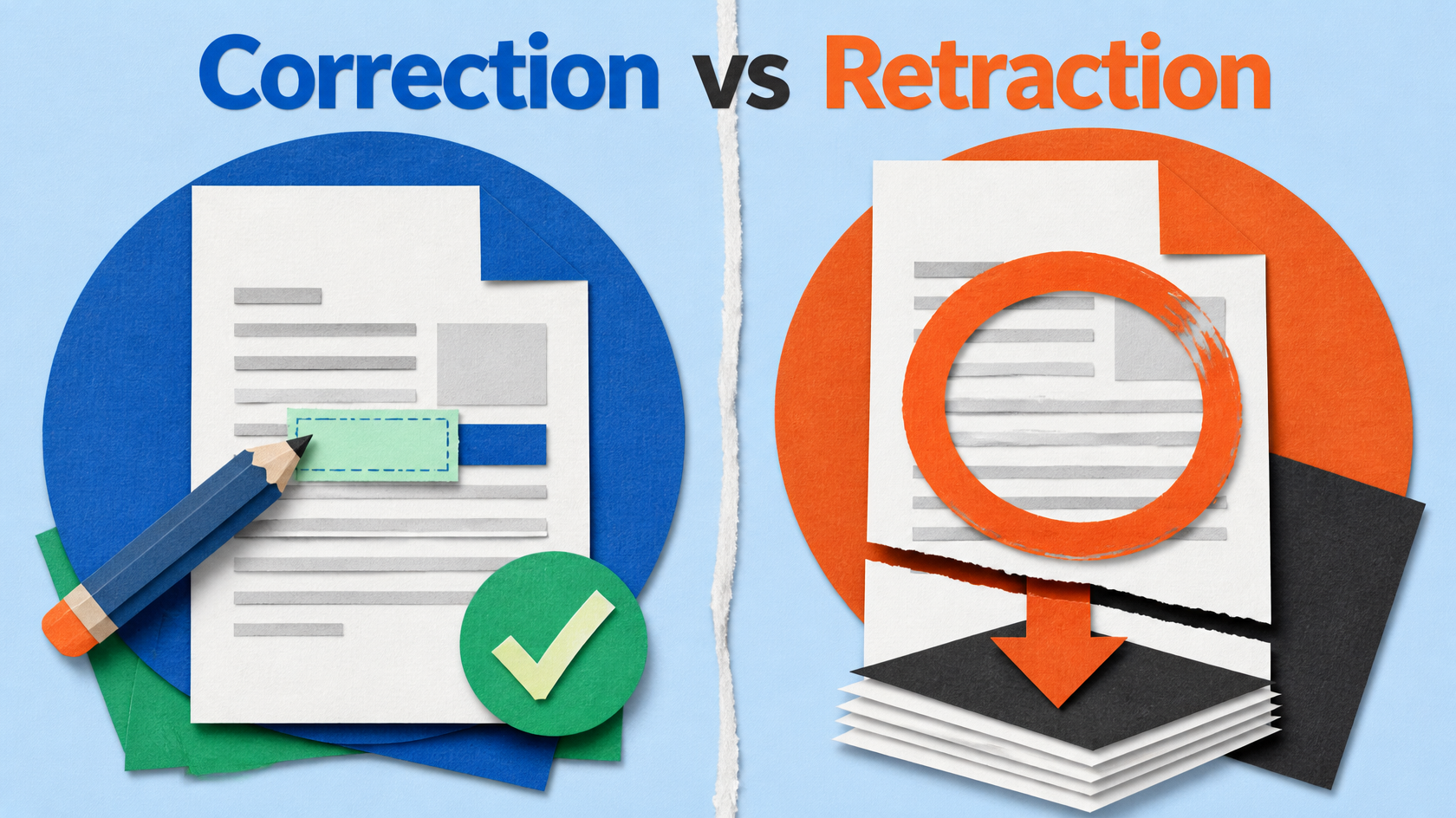
No research paper is perfect. Sometimes a published article contains a typing error in a table; sometimes its main conclusions ...
Why Mass Retractions Are Rising
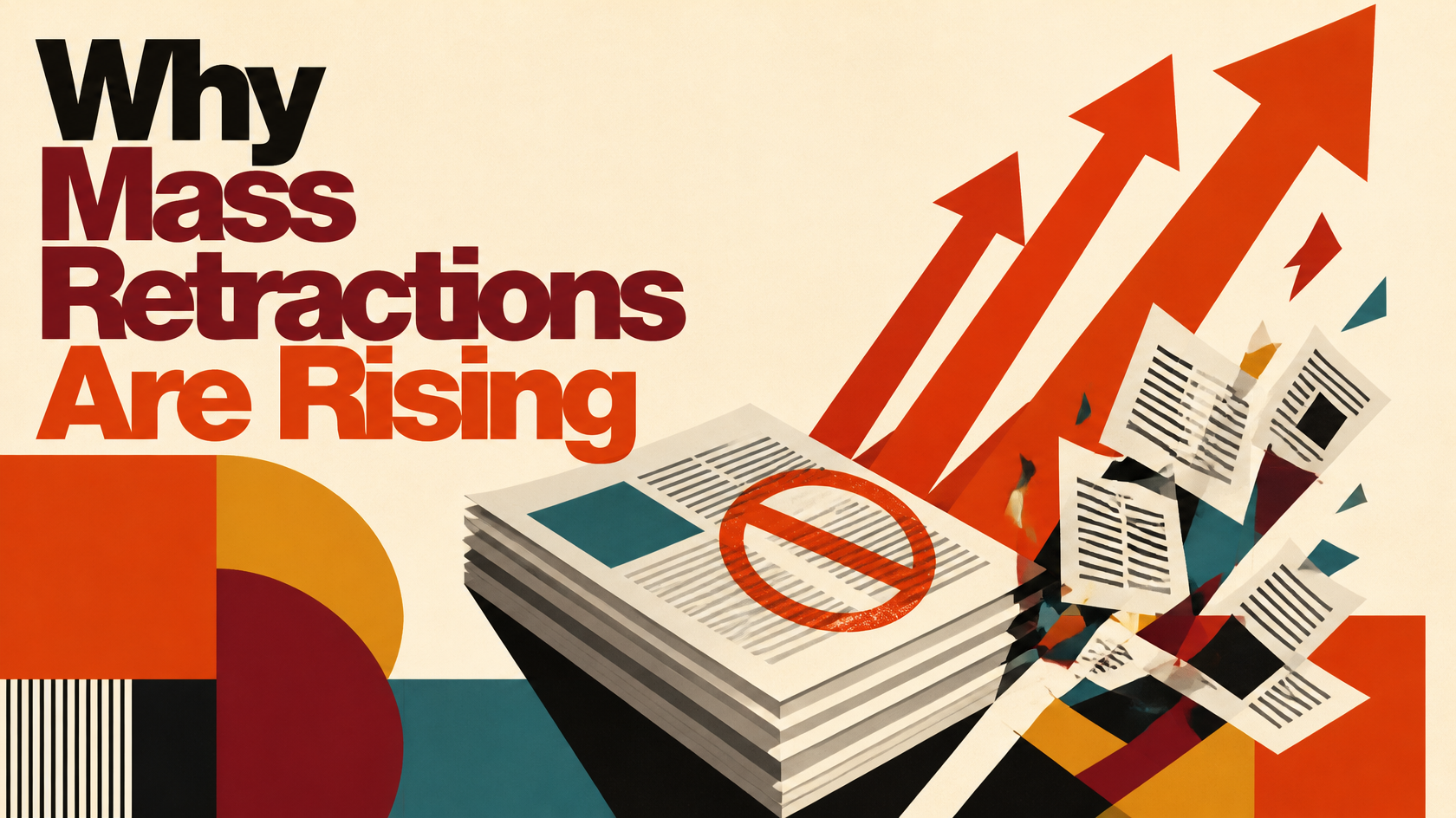
A retraction is supposed to be rare: a formal notice that a published paper should no longer be trusted. Yet ...
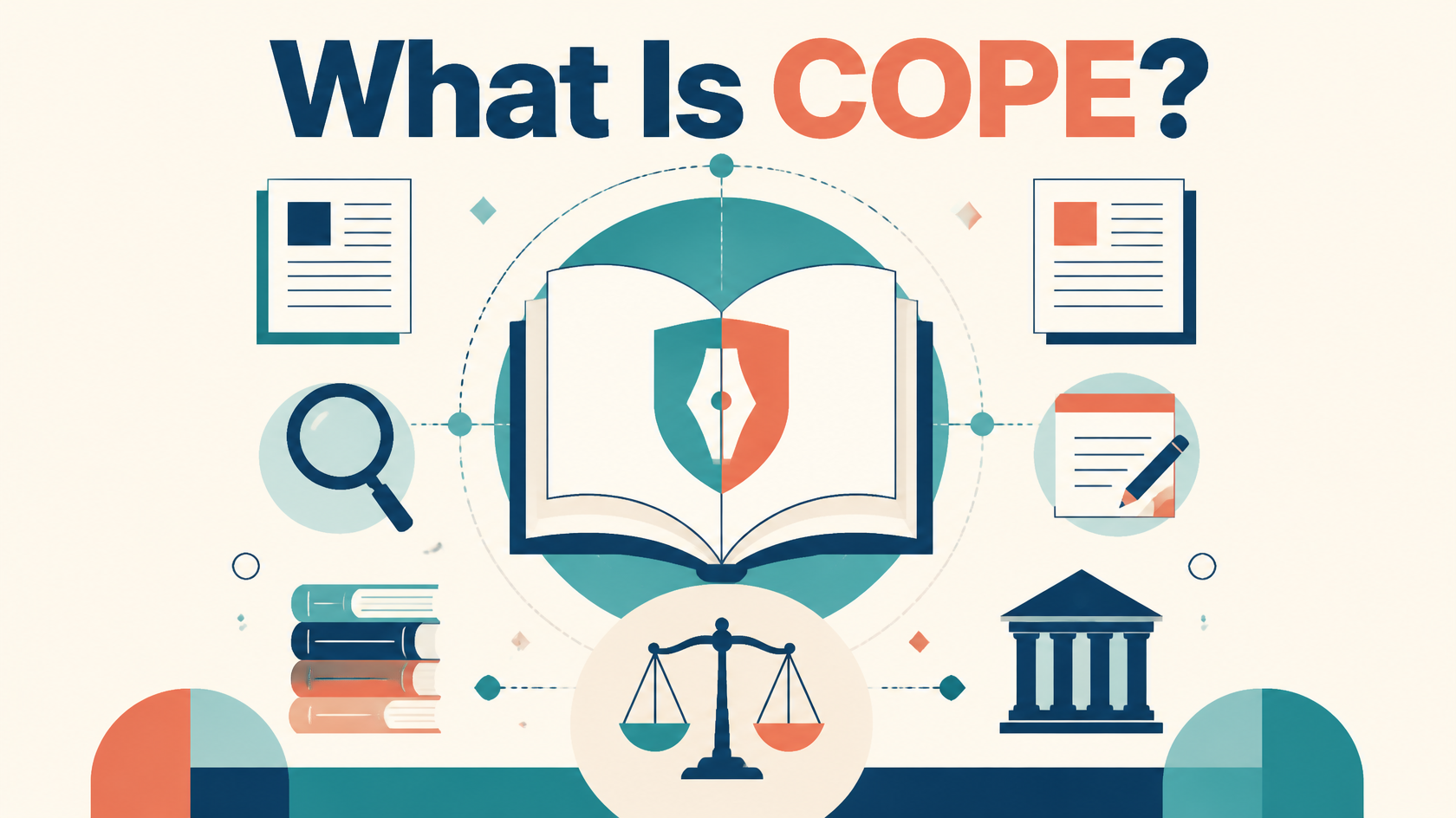
What Is COPE?
When a journal editor suspects plagiarism, discovers manipulated images, or faces an authorship dispute, where do they turn for guidance? ...

How to Avoid Authorship Disputes
Authorship disputes are among the most common conflicts in research. Disagreements over who should be listed as an author, in ...

Gift and Ghost Authorship
The list of authors on a research paper is more than a formality. It tells readers who did the work, ...

Conflicts of Interest in Research
Research is supposed to follow the evidence wherever it leads. But researchers are human, and they may have financial ties, ...
Duplicate Publication Explained
Every published study adds a piece of evidence to the scientific record. When the same study appears more than once, ...
Is Self-Plagiarism Allowed?
Most researchers and students know that copying someone else’s work without credit is plagiarism. But what about reusing your own ...
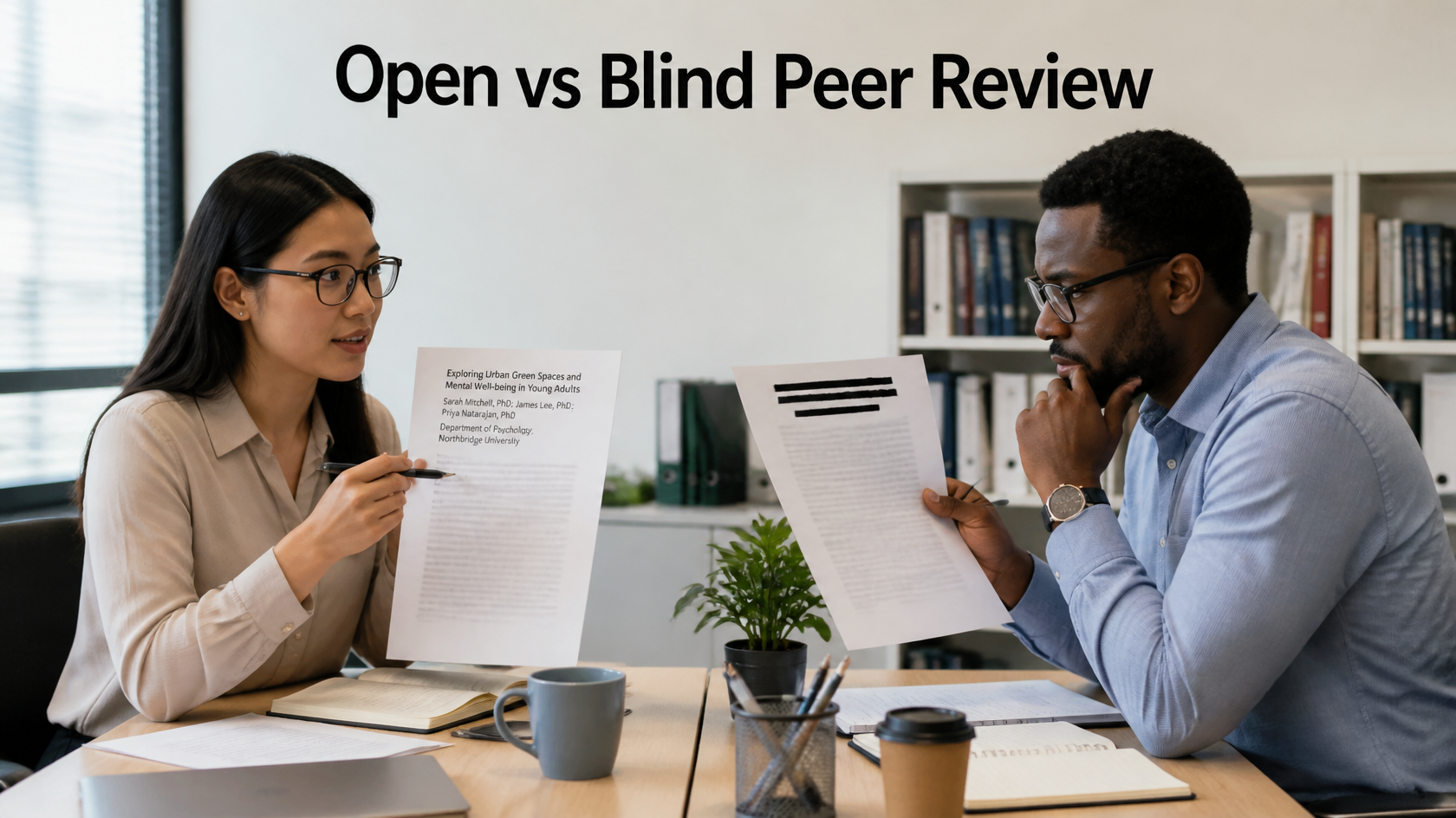
Open vs Blind Peer Review
Peer review is meant to ensure that published research is accurate, well designed, and meaningful. But how should it be ...
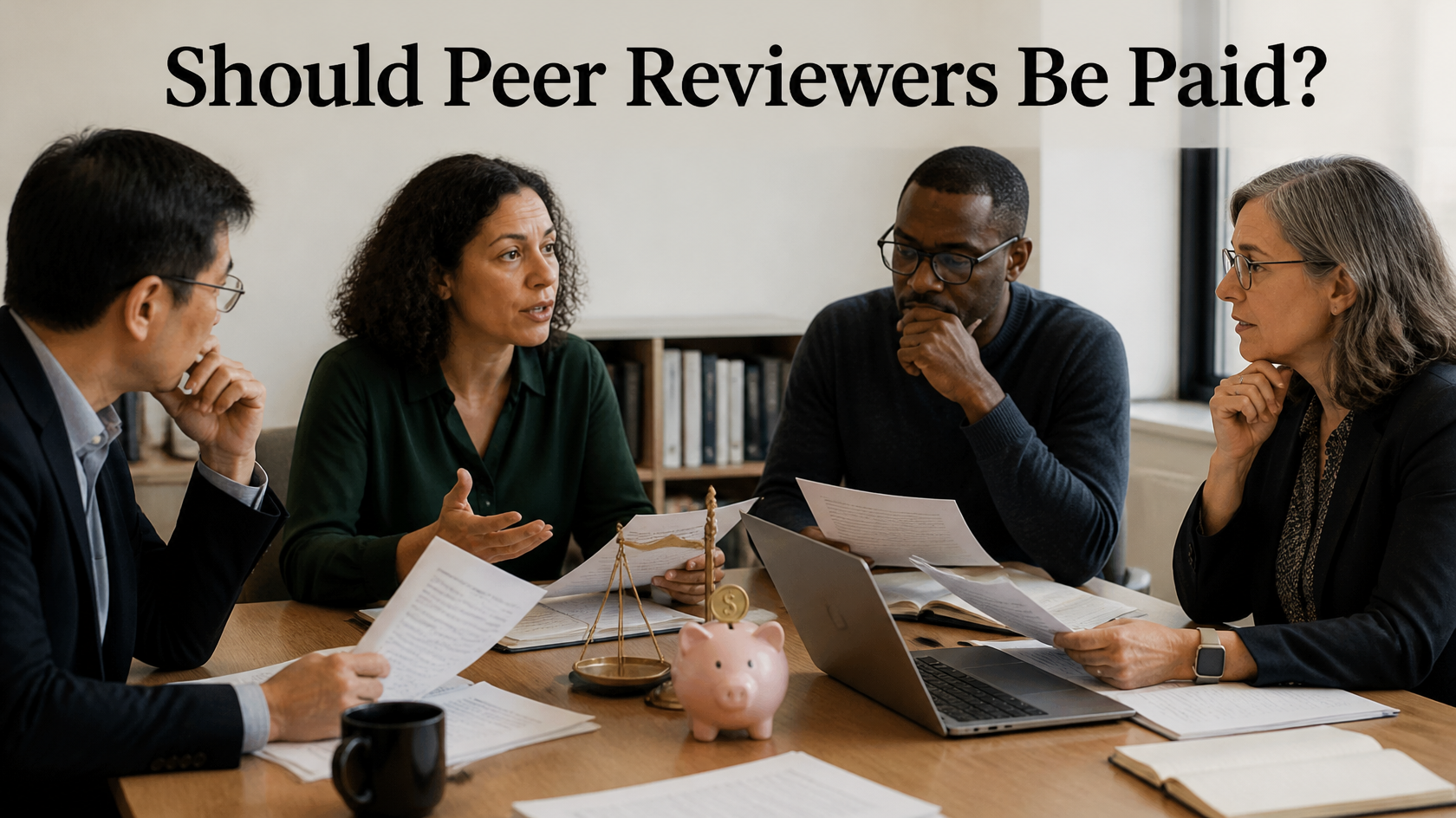
Should Peer Reviewers Be Paid?
Peer review is often described as the backbone of scholarly publishing. Before research is published in most journals, independent experts ...