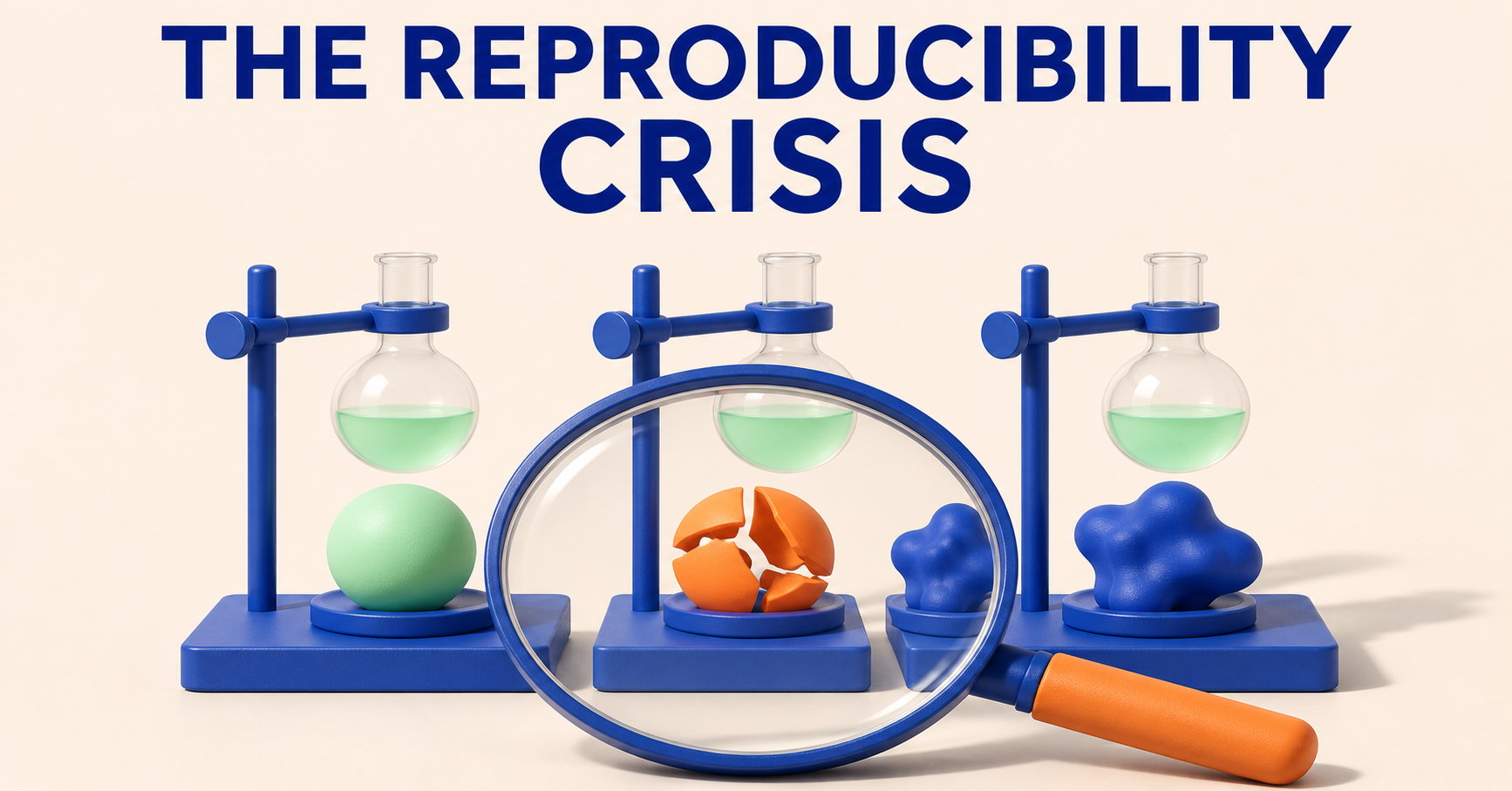
The Reproducibility Crisis
Science is built on the idea that results can be checked. If a finding is true, other researchers should be ...


Preprints: Pros and Cons
For much of modern history, research findings reached the public only after months, or even years, of peer review and ...

Why Open Data Matters
Every year, researchers, governments, and organisations collect enormous amounts of data, from climate measurements and clinical trial results to census ...

Study Pre-Registration Explained
Imagine running a study, seeing the results, and then deciding which questions you were “really” asking. It may seem harmless, ...

Why Researchers Need ORCID
Imagine two researchers named “J. Kumar” or “M. Silva” working in the same field. Now imagine thousands of researchers sharing ...

CRediT Author Roles Explained
Modern research is rarely the work of one person. A single paper may involve scientists who designed the study, technicians ...

Publish or Perish Pressure
In universities and research institutes around the world, a familiar phrase shapes careers and daily life: “publish or perish.” It ...

Research Integrity Training for PhDs
A PhD is often the first time a researcher works independently on a major project. Along with learning methods and ...

Role of Research Integrity Offices
Every university and research institution wants its work to be trusted. Funders, journals, patients, and the public expect research to ...
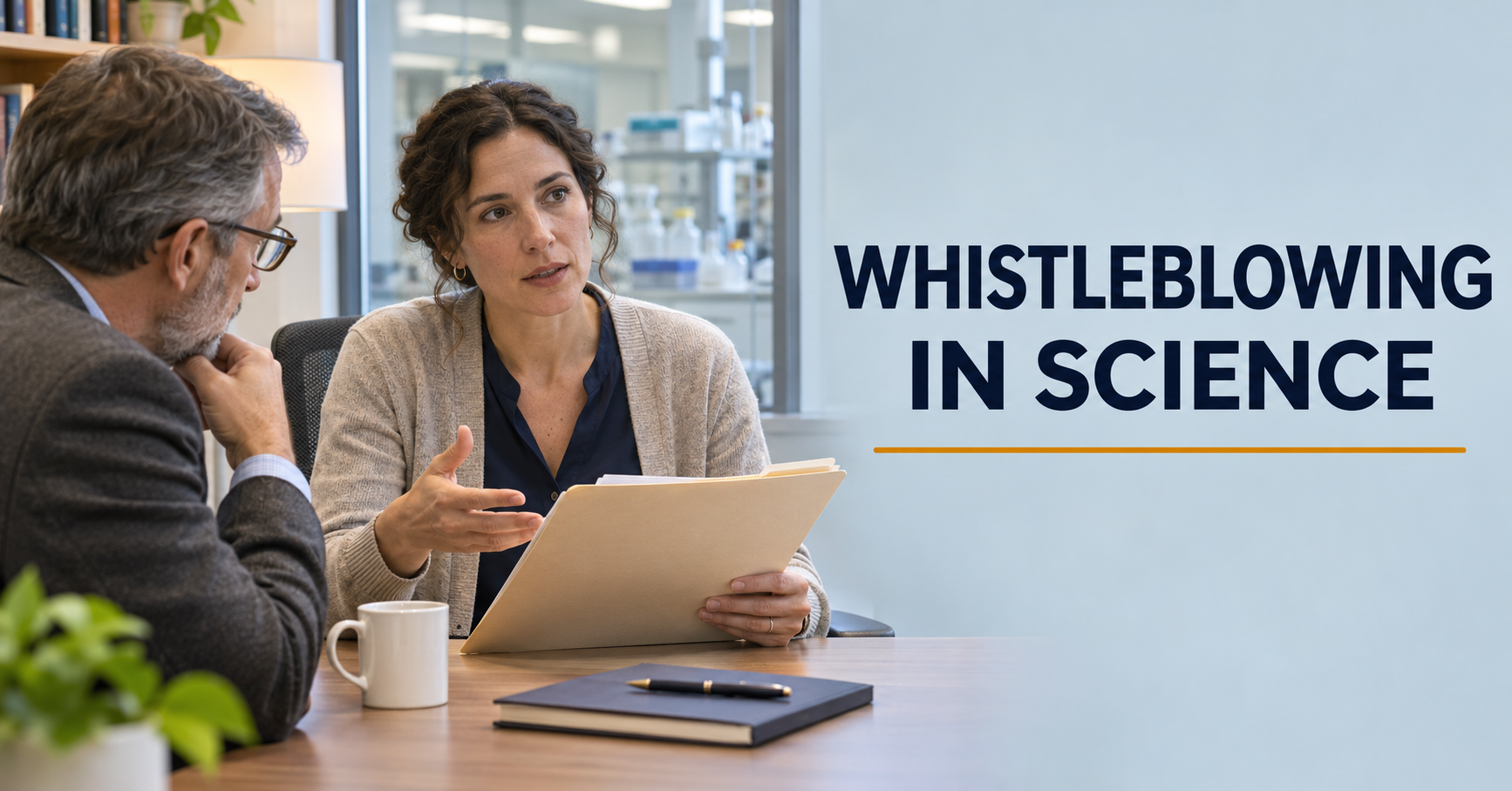
Whistleblowing in Science
Science depends on trust. Researchers, doctors, policymakers, and the public rely on published results being honest and accurate. When someone ...

How Ethics Committees Work
Behind many medical studies, university research projects, and difficult hospital decisions stands a group of people whose job is to ...

Teaching Research Ethics in the AI Era
The rapid rise of artificial intelligence (AI) has transformed how research is conducted, analyzed, and shared. From automated data analysis ...