Every university and research institution wants its work to be trusted. Funders, journals, patients, and the public expect research to be honest, careful, and ethical. To support these expectations, many institutions have created research integrity offices, dedicated teams that promote good research practice and handle concerns when things go wrong.
This article on the role of research integrity offices explains what these offices do, who works in them, how they handle allegations of misconduct, how they support researchers, and why they matter for the future of science.
Table of Contents
What Is a Research Integrity Office?
A research integrity office is a unit within a university, hospital, research institute, or government agency that oversees the responsible conduct of research. It may go by different names, such as the Office of Research Integrity, Research Integrity and Ethics Office, or Office of Research Compliance.
At many institutions, a designated Research Integrity Officer (RIO) leads this work. In smaller organisations, the role may be part of a broader research office.
Core Roles at a Glance
| Role | What It Involves |
|---|---|
| Education and training | Teaching responsible research practices to students and staff |
| Policy development | Creating and updating integrity and misconduct policies |
| Advice and guidance | Helping researchers with authorship, data, and conflict questions |
| Handling allegations | Managing inquiries and investigations into suspected misconduct |
| Reporting and compliance | Meeting the requirements of funders and regulators |
| Culture building | Encouraging openness, fairness, and accountability |
1. Promoting Good Research Practice
The most important role of a research integrity office is prevention. Rather than simply reacting to problems, effective offices help researchers do the right thing from the start.
Training Programmes
Many offices run training in the responsible conduct of research, covering topics such as:
- Data management and record keeping
- Authorship and publication ethics
- Plagiarism and proper citation
- Conflicts of interest
- Peer review responsibilities
- Mentorship and collaboration
- Responsible use of artificial intelligence in research
Some funders require this training for students and researchers supported by their grants.
Clear Policies
Research integrity offices help write and maintain institutional policies on misconduct, data ownership, authorship, and conflicts of interest. Clear, accessible policies help researchers understand expectations and know where to turn for help.
2. Providing Confidential Advice
Researchers often face grey areas that are not clear-cut misconduct. Integrity offices can offer confidential guidance on questions such as:
- Who should be listed as an author, and in what order?
- How should data be shared when a researcher leaves the institution?
- How should a conflict of interest be disclosed?
- What should a student do if they feel pressured to change results?
Early advice can prevent small disagreements from becoming serious disputes. Many offices also offer informal mediation, helping colleagues resolve conflicts over credit or data before they escalate into formal complaints.
3. Receiving and Assessing Allegations
When someone raises a concern about possible research misconduct, the research integrity office is usually the first point of contact. Concerns may come from colleagues, students, journal editors, funders, or members of the public.
The office first assesses whether the concern falls within the institution’s misconduct policy. Many policies define research misconduct as fabrication, falsification, or plagiarism, while honest error and differences of opinion are generally excluded.
4. Managing Inquiries and Investigations
If an allegation appears credible and within scope, the office oversees a structured process, which commonly includes:
- Securing evidence: preserving relevant data, notebooks, emails, and files
- Inquiry: a preliminary review to determine whether a full investigation is warranted
- Investigation: a detailed examination, often by a committee of independent experts
- Findings: a decision on whether misconduct occurred
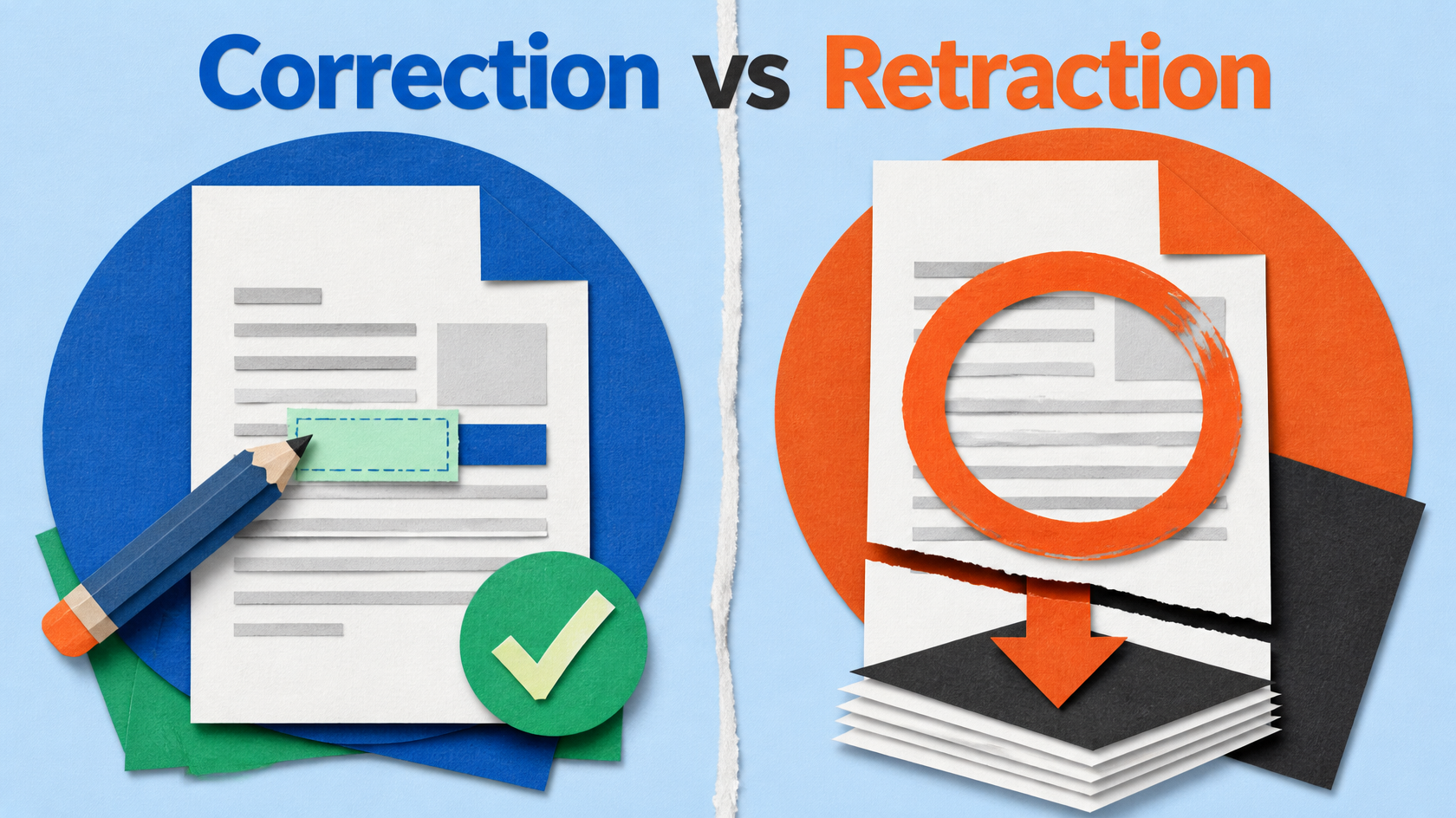
- Actions: recommendations such as corrections, retractions, training, or disciplinary measures
Fairness for Everyone
Research integrity offices must balance the rights of all parties. This means:
- Protecting people who raise concerns in good faith from retaliation
- Treating accused researchers fairly, with the chance to respond
- Keeping proceedings confidential as far as possible
- Avoiding conflicts of interest among investigators
- Restoring reputations when allegations are not supported
5. Reporting to Funders and Regulators
Many funders and governments require institutions to report certain misconduct cases. In the United States, for example, institutions receiving Public Health Service research funding must follow federal research misconduct regulations and report to the Office of Research Integrity in specific circumstances. Integrity offices manage these obligations and maintain accurate records.
6. Working with Journals
When published research is affected, integrity offices often communicate with journal editors. They may share findings that lead to corrections, expressions of concern, or retractions, helping ensure the scientific record remains accurate.
7. Building a Positive Research Culture
Integrity is not just about rules. Research integrity offices increasingly focus on the wider environment in which research happens, including:
- Reducing excessive pressure to publish
- Supporting fair evaluation and promotion criteria
- Encouraging open science and data sharing
- Promoting respectful supervision and teamwork
- Recognising good practice, not only punishing misconduct
Who Works in a Research Integrity Office?
Teams vary in size, but research integrity offices often include:
- Research integrity officers: senior staff who lead policy and case management
- Case coordinators: who manage documentation and timelines
- Trainers and educators: who design workshops and online courses
- Legal and compliance advisers: who help interpret regulations
- Data and image specialists: who analyse questioned figures or datasets
Many offices also work closely with ethics committees, graduate schools, human resources departments, and ombudspersons.
Research Integrity Offices Around the World
The structure of integrity oversight differs between countries. Some nations rely mainly on institutional offices, while others also have national bodies that investigate or review cases. Countries in Europe, Asia, Australia, and Latin America, including Brazil, have developed national codes or funder policies encouraging institutions to establish dedicated integrity structures.
International Frameworks
Research integrity offices often draw on national and international guidance, such as:
- The Singapore Statement on Research Integrity, developed at the World Conference on Research Integrity
- The European Code of Conduct for Research Integrity published by ALLEA
- The Hong Kong Principles for assessing researchers
- National frameworks such as the UK’s Concordat to Support Research Integrity
- Guidance from the Committee on Publication Ethics on publication issues
Challenges Research Integrity Offices Face
- Limited resources: small teams handling growing caseloads
- Complex cases: large datasets and multi-institution collaborations
- New technologies: AI-generated text, images, and references
- Paper mills: organisations producing fake or low-quality papers for sale
- Independence: avoiding pressure to protect high-profile researchers or institutional reputation
- Awareness: many researchers do not know the office exists
Tips for Researchers
- Find out who your institution’s research integrity officer is
- Read your institution’s integrity and misconduct policies
- Seek advice early when facing uncertain situations
- Keep careful records of data and methods
- Complete available integrity training
Final Thoughts
The role of research integrity offices goes far beyond investigating misconduct. They educate researchers, provide confidential advice, develop clear policies, manage fair investigations, meet regulatory requirements, and help build a healthy research culture. By supporting both prevention and accountability, research integrity offices help ensure that research remains trustworthy, ethical, and valuable to society.