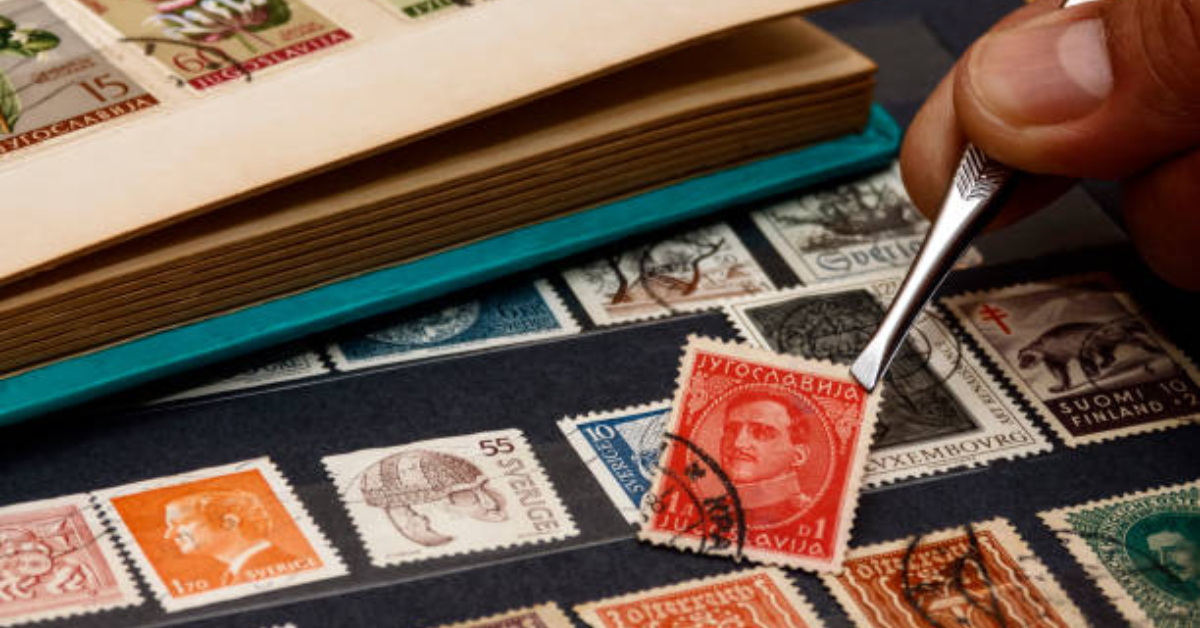
Stamp collecting is no longer confined to albums and traditional club meetings. VII BRISPE 2024 highlighted how philately is evolving in response to technology, generational shifts, and global connectivity. The exhibition brought together experienced exhibitors, emerging collectors, researchers, and digital innovators to discuss where the hobby is heading.
Rather than focusing solely on preservation of tradition, the event emphasised adaptation. Conversations at BRISPE revealed that the future of stamp collecting will likely blend historical scholarship, digital tools, youth engagement, and modern exhibition standards into a more inclusive and resilient global community.
Table of Contents
Future Overview
Key Developments Ahead
| Trend | Impact On Philately |
|---|---|
| Digital Integration | Online exhibits and research tools are expanding access |
| Youth Participation | Structured mentoring and beginner programs growing |
| Hybrid Exhibitions | Physical displays enhanced by digital support |
| Market Transparency | Improved authentication and grading standards |
| Global Collaboration | Cross-border exhibitions and research partnerships |
Digital Transformation
Technology is reshaping how collectors research, buy, and present stamps. Digital catalogues, online auctions, and virtual exhibitions are becoming common tools for both beginners and advanced philatelists. VII BRISPE demonstrated that digital platforms can complement rather than replace physical collections.
Exhibitors increasingly use digital archives to support exhibit narratives with deeper historical context. Online accessibility allows global audiences to engage with material previously limited to in-person attendees. This shift broadens educational reach and strengthens international collaboration.
Youth Development
A major focus at BRISPE 2024 was attracting younger generations. Structured youth categories, workshops, and mentorship initiatives were emphasised as essential for sustaining the hobby. Encouraging curiosity at an early stage ensures continuity.
Modern youth collectors often enter philately through thematic interests such as sports, science, or pop culture. By connecting stamps to broader educational subjects, organisers help transform collecting into an engaging learning experience rather than a niche hobby.
Hybrid Exhibitions
- Physical frames remain central to competitive judging standards.
- Digital screens can provide extended research, videos, or archival documentation.
- Interactive displays attract younger audiences.
- Virtual viewing options increase global participation.
Hybrid models allow exhibitions to maintain scholarly rigour while embracing technological innovation. BRISPE discussions suggested that future exhibitions will increasingly incorporate digital supplements without compromising traditional evaluation criteria.
Evolving Judging Standards
Judging criteria continue to emphasise rarity, condition, research depth, and presentation clarity. However, judges are also adapting to evolving exhibit formats and thematic complexity. BRISPE panels highlighted the importance of maintaining fairness while recognising innovation.
Transparency in scoring and clearer feedback mechanisms are becoming more important. Exhibitors benefit from constructive guidance, ensuring steady improvement and encouraging long-term participation in competitive philately.
Market Stability
- Rare classical stamps maintain strong long-term demand.
- Authentication technology reduces fraud risks.
- Expert certification enhances buyer confidence.
- Online marketplaces increase price visibility.
The future market will likely balance tradition with digital efficiency. BRISPE experts emphasised that informed collecting, research-based acquisitions, and proper certification remain key to maintaining value.
Research Expansion
Philately has always been closely tied to historical research. VII BRISPE reinforced the importance of academic collaboration between collectors and scholars. Archival discoveries and newly documented postal routes continue to reshape understanding of historical material.
Future collectors may increasingly engage with interdisciplinary studies. Connections between philately and political history, economics, communication systems, and cultural studies create new research opportunities.
Global Networking
International exhibitions such as BRISPE foster global dialogue. Collectors from different regions exchange ideas, compare material, and collaborate on research projects. This cross-border interaction strengthens standards and expands collecting perspectives.
As travel and digital communication improve, more collectors will participate in international exhibitions. Virtual previews and hybrid events further support worldwide engagement.
Educational Integration
Philately offers educational value beyond collecting. Schools and universities increasingly recognise stamps as tools for teaching geography, art, economics, and history. BRISPE discussions emphasised integrating philatelic study into broader learning environments.
Workshops and seminars tailored for students create structured pathways into the hobby. Such initiatives ensure that philately remains intellectually relevant in modern educational systems.
Technological Authentication
Advancements in forensic analysis and digital certification are shaping the future of authentication. Improved watermark detection, paper analysis, and database tracking increase reliability.
Blockchain-based documentation and digital registries were also discussed as supplemental tools. While physical examination remains essential, technology enhances record keeping and provenance tracking.
Community Resilience
The strength of stamp collecting lies in its community. Clubs, exhibitions, and research groups provide structure and mentorship. BRISPE 2024 reinforced that collaboration and shared scholarship will define the hobby’s resilience.
Adaptation to change does not diminish tradition. Instead, innovation supports sustainability by making philately accessible to wider audiences.
The Way Forward
VII BRISPE 2024 demonstrated that stamp collecting is entering a phase of thoughtful transformation. Digital tools, youth programs, global networking, and technological authentication are reshaping the landscape without erasing historical foundations.
The future of philately depends on balancing innovation with preservation. As collectors embrace new methods while maintaining scholarly standards, stamp collecting will continue to thrive as both a cultural pursuit and an intellectual discipline.