Stamp collecting may begin as a simple hobby, but international exhibitions like VII BRISPE 2024 demonstrate how deeply intellectual and rewarding philately can become. For beginners, such events offer powerful lessons about research, preservation, presentation, and long-term strategy. Observing competitive exhibits and interacting with experienced collectors provides practical insights that books alone cannot deliver.
New collectors often feel overwhelmed by terminology, grading standards, and thematic organization. However, the core principles remain accessible. By understanding foundational lessons drawn from high-level exhibitions, beginners can build strong collections with confidence and purpose.
Table of Contents
Beginner Insights
| Learning Area | Key Lesson | Why It Matters | Beginner Action |
|---|---|---|---|
| Focus Selection | Choose a narrow theme | Builds depth | Start with one country or topic |
| Condition Awareness | Quality over quantity | Protects value | Learn grading basics |
| Research Skills | Study postal history | Adds meaning | Read catalogs and archives |
| Organization Method | Logical arrangement | Improves clarity | Use albums systematically |
| Budget Planning | Spend strategically | Avoid regret | Set monthly limits |
| Community Engagement | Learn from experts | Accelerates growth | Join clubs and events |
Starting Smart
Beginning collectors often try to gather as many stamps as possible. While enthusiasm is valuable, exhibitions like VII BRISPE 2024 highlight that focus creates strength. Successful exhibits demonstrate depth within defined themes rather than random accumulation.
Selecting a specific country, historical era, or subject, such as aviation or maritime mail, helps create direction. A focused approach simplifies research and encourages thoughtful acquisitions. Instead of chasing volume, beginners should build gradually around a coherent theme.
Understanding Condition
One of the strongest lessons from international exhibitions is the importance of condition. Judges consistently reward well-centered stamps, clean perforations, clear cancellations, and intact gum where applicable. Beginners sometimes overlook small flaws that significantly reduce value.
Learning grading basics protects both financial investment and long-term satisfaction. Handling stamps with tongs, storing them in protective mounts, and avoiding humidity damage preserves quality. Careful preservation ensures that a growing collection maintains competitive potential.
Building Knowledge
Learning Foundations
- Study stamp catalogs to understand issue details
- Learn printing methods and paper types
- Explore the postal history behind stamp usage
- Understand basic terminology such as perforations and watermarks
- Research the historical context of major issues
Knowledge transforms stamps from simple collectibles into historical artifacts. At VII BRISPE 2024, exhibits that combined material rarity with detailed research stood out clearly. Beginners can adopt this mindset early by reading reference books and attending educational sessions.
Developing research habits also prevents purchasing mistakes. Understanding issue variations and reprints helps collectors distinguish authentic material from common reproductions.
Organizing Collections
Structured organization improves both enjoyment and clarity. Random storage makes tracking progress difficult, while systematic arrangement supports growth. Albums divided by chronological order, thematic grouping, or postal routes create logical flow.
Clear labeling enhances learning. Writing brief notes about issue dates, printing varieties, or historical events reinforces knowledge retention. Organizations today simplify future exhibition planning so that beginners can decide to compete later.
Budget Discipline
Smart Spending Habits
- Set a monthly or quarterly collection budget
- Compare prices before purchasing rare items
- Prioritize condition over sheer rarity
- Avoid impulse purchases during events
- Keep purchase records for future reference
International exhibitions often feature impressive dealer displays. For beginners, excitement can lead to overspending. Establishing financial boundaries prevents regret and ensures sustainable growth.
Strategic spending allows collectors to upgrade key items gradually rather than accumulating lower-grade examples. Financial discipline aligns with long-term collecting goals.
Learning From Exhibits
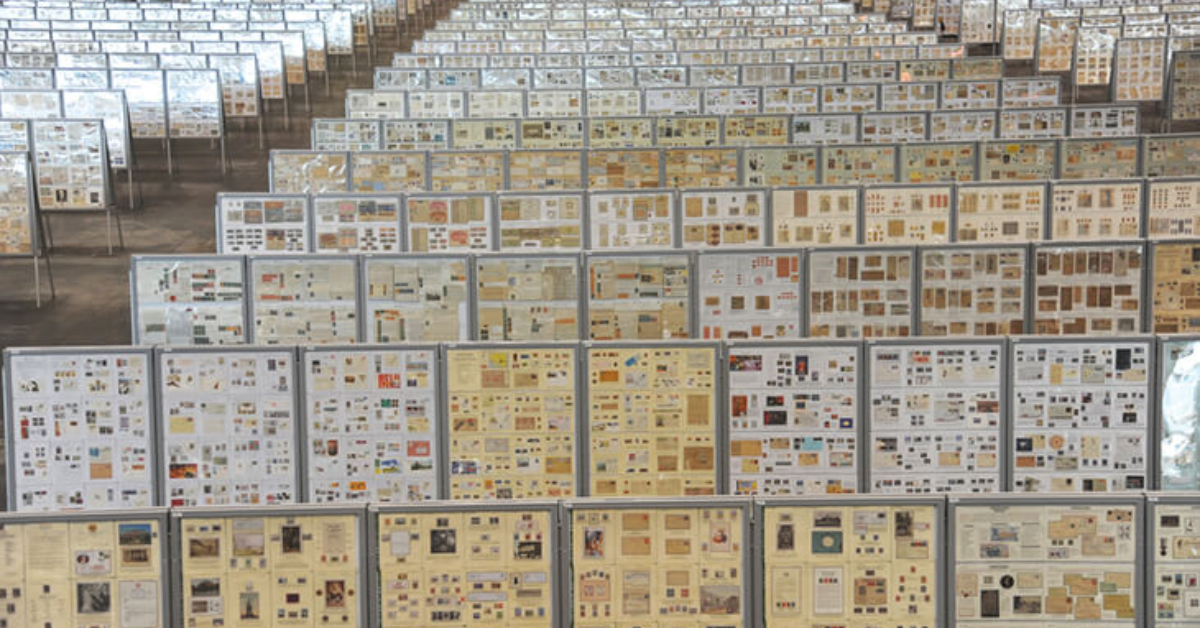
Observing competitive exhibits provides practical education. Beginners can analyze how experienced collectors structure narrative flow, design pages, and balance text with material. Attention to layout, clarity, and storytelling reveals how exhibits earn high scores.
Taking notes during exhibition visits strengthens understanding. Identifying what makes certain displays stand out helps beginners apply similar principles to their own collections, even at an early stage.
Community Value
Philately thrives on shared knowledge. Conversations with collectors, dealers, and judges offer insights that accelerate progress. Many seasoned collectors are willing to guide newcomers, explain grading nuances, or recommend research resources.
Joining local clubs or online philatelic communities provides regular learning opportunities. Networking builds confidence and creates mentorship pathways. International exhibitions often act as gateways into these broader communities.
Avoiding Common Errors
Beginners sometimes focus excessively on monetary value rather than historical or thematic significance. Exhibitions demonstrate that intellectual depth often outweighs market price in competitive evaluation.
Another common error involves neglecting documentation. Maintaining purchase receipts, authenticity certificates, and research notes supports credibility. Even beginners benefit from adopting professional habits early.
Finally, patience remains essential. Rushing to build a large collection can dilute focus. Steady, informed growth produces stronger long-term results.
Long-Term Vision
Stamp collecting is a marathon rather than a sprint. Exhibits displayed at VII BRISPE 2024 represented years—sometimes decades—of refinement. Beginners should view their collections as evolving projects that mature with time.
Upgrading items, expanding research, and refining organization gradually enhance both quality and satisfaction. Long-term commitment allows collectors to deepen expertise and potentially transition into competitive exhibiting if desired.
Philately rewards curiosity, discipline, and intellectual engagement. Every carefully chosen stamp contributes to a broader historical narrative.
The Way Forward
Stamp collecting for beginners becomes far more meaningful when guided by lessons from international exhibitions like VII BRISPE 2024. Focused themes, strong condition standards, consistent research, organized presentation, and financial discipline form the foundation of successful collecting.
By learning from experienced exhibitors and embracing patience, newcomers can transform a simple hobby into a deeply rewarding intellectual pursuit. With thoughtful strategy and community engagement, beginners not only build valuable collections but also contribute to preserving global postal history for future generations.