The rise of digital assets has introduced new debates within traditional collecting communities. At VII BRISPE 2024, conversations extended beyond frames and albums to include the emerging concept of philatelic NFTs. Collectors, judges, and youth participants engaged in thoughtful discussions comparing tangible postal history with blockchain-based collectibles.
Rather than framing the topic as a competition, many experts approached it as an exploration of evolution. The exhibition became a platform to evaluate whether digital collectibles can complement, challenge, or coexist with physical stamps in the modern collecting landscape.
Table of Contents
Debate Overview
Key Comparison Insights
| Aspect | Physical Stamps | Philatelic NFTs |
|---|---|---|
| Ownership | Tangible possession | Blockchain-verified digital ownership |
| Historical Value | Linked to postal usage | Linked to digital creation context |
| Authenticity | Expert certification | Smart contract verification |
| Market Stability | Long-term collector base | Volatile and speculative markets |
| Display Format | Exhibition frames | Digital platforms and screens |
Historical Significance
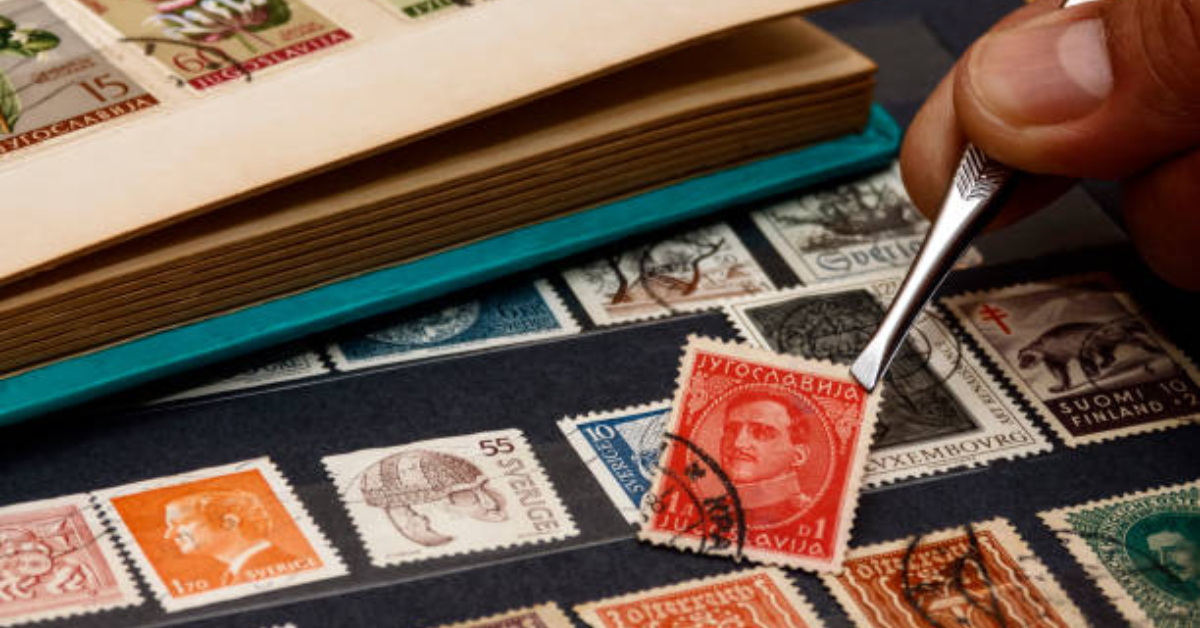
Physical stamps carry documented postal relevance. Each issue reflects a nation’s political history, technological development, cultural milestones, or economic shifts. Used covers and postal history items further deepen the context by demonstrating real-world circulation.
NFTs, by contrast, represent digital creativity or tokenized ownership. While they may feature philatelic designs or commemorate stamp issues, they lack a postal function. Discussions at BRISPE highlighted that historical authenticity remains rooted in physical usage, something NFTs cannot replicate.
Ownership And Authenticity
Physical stamps require expert certification, watermark analysis, and condition grading. Provenance and rarity significantly influence value. Exhibition judges continue to rely on physical examination to confirm authenticity and condition integrity.
NFTs operate on blockchain verification. Smart contracts ensure ownership transparency and prevent duplication within the system. At BRISPE, some participants acknowledged that blockchain technology offers secure digital proof of ownership.
Investment Perspectives
Many experienced collectors at VII BRISPE emphasized the relatively stable long-term growth of rare physical stamps. Historical auction records demonstrate sustained value for significant philatelic items.
NFT markets, on the other hand, are often influenced by rapid speculation. Price volatility and shifting digital trends create uncertainty. While some NFTs have achieved remarkable sales, market corrections have also been dramatic.
Exhibition And Display
Stamp exhibitions are built around physical presentation standards. Layout, narrative structure, rarity, and condition are evaluated through mounted pages displayed in frames. Physical presence allows judges to inspect details under magnification.
NFTs rely on digital displays, online galleries, or virtual environments. While visually dynamic, they cannot demonstrate postal wear, paper texture, or printing techniques in the same way.
Youth Engagement
NFT discussions attracted younger visitors who are familiar with digital assets and blockchain concepts. For some, NFTs serve as an entry point into collecting culture.
Senior philatelists emphasized that education remains key. Understanding design, production methods, and historical context strengthens appreciation for physical material. Technology may spark curiosity, but long-term engagement often grows from deeper study.
Cultural And Legal Considerations
Physical stamps are issued by recognized postal authorities. Their legitimacy is rooted in governmental authority and official circulation.
NFTs may be issued by private entities or independent creators. Legal frameworks surrounding digital assets continue to evolve globally. Discussions at BRISPE reflected caution regarding intellectual property rights and regulatory uncertainty.
Preservation And Longevity
Stamp preservation relies on environmental control, archival storage, and careful handling. Museums and private collectors have demonstrated that physical philatelic material can endure for centuries.
NFT preservation depends on digital infrastructure. Blockchain records may be permanent, but associated digital files rely on hosting platforms and technological continuity.
Community Impact
Philately thrives on exhibitions, research publications, auctions, and interpersonal exchange. Physical stamps encourage face-to-face engagement and collaborative scholarship.
NFT communities often operate online, emphasizing rapid digital interaction. While global connectivity increases participation, it may reduce the tactile and historical depth associated with traditional exhibitions.
Future Perspectives
Participants at VII BRISPE did not view NFTs as a direct threat to traditional philately. Instead, many saw them as a parallel development in collectible culture.
Some suggested postal authorities could explore digital commemoratives that complement physical issues. Others emphasized preserving the academic integrity of competitive exhibitions while remaining open to technological innovation.