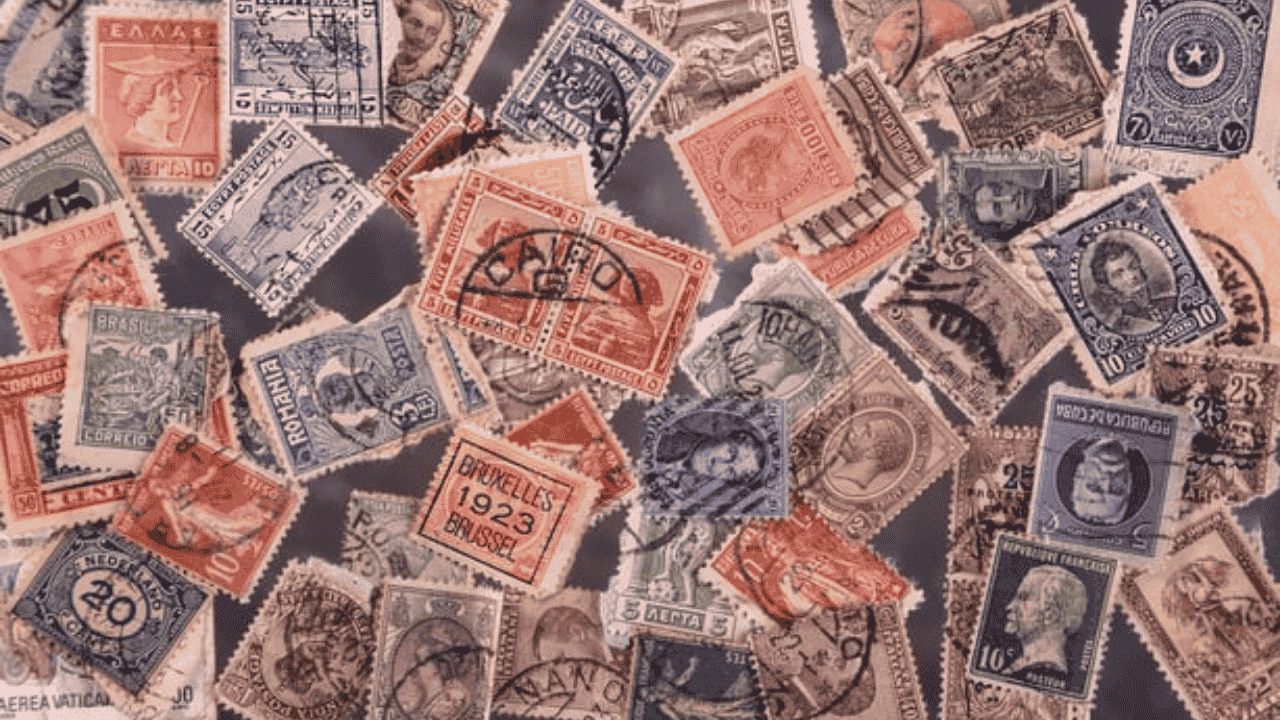
Displaying a stamp collection at an international exhibition is a moment of pride for any collector. Events like VII BRISPE 2024 bring global recognition, expert judging, and networking opportunities. However, transporting and exhibiting valuable material also introduces risk, making proper insurance essential.
Stamp collections often represent years of research, financial investment, and emotional dedication. Whether your exhibit includes rare classics, postal history, or thematic material, protecting it against loss, theft, or damage should be a priority. Understanding how exhibition insurance works ensures peace of mind throughout the process.
Table of Contents
Insurance Overview
Key Coverage Elements
| Coverage Type | Purpose |
|---|---|
| Transit Insurance | Protection during shipping or travel |
| Exhibition Coverage | Protection while on display |
| All-Risk Policy | Broad coverage including accidental damage |
| Agreed Value Policy | Pre-determined compensation amount |
| Liability Add-On | Covers third-party responsibility issues |
Choosing the right combination of coverage types depends on collection value, travel method, and exhibition requirements.
Assess Collection Value
Before purchasing insurance, determine the accurate value of your collection. Professional appraisals provide documented estimates based on rarity, condition, and current market demand. Many insurers require written valuations before issuing policies.
Exhibition pedigree, previous awards, and expert certificates can strengthen valuation documentation. Keeping updated appraisals ensures coverage reflects real market value rather than outdated catalog figures.
Choose Specialized Insurers
- Look for insurers experienced in collectibles or fine art.
- Confirm coverage for international exhibitions.
- Verify inclusion of transit and display risks.
- Review exclusions carefully.
General home insurance policies often provide limited or inadequate coverage for high-value philatelic material. Specialized collectible insurance providers understand the nuances of rare stamps and postal history.
Transit Protection
Transporting a collection presents significant risk. Whether traveling by air, courier, or personal carriage, transit coverage protects against theft, loss, or accidental damage.
Collectors often carry exhibits personally to minimize handling risk. Even so, insurance must explicitly include hand-carried transit. If shipping through professional couriers, confirm that the declared value matches policy limits.
Exhibition Coverage
Exhibition coverage applies while the collection is displayed in frames or secure cases. International exhibitions usually maintain security protocols, but insurance remains essential.
Policies should cover risks such as fire, water damage, vandalism, or accidental mishandling. Confirm that coverage extends throughout the entire exhibition period, including installation and dismantling days.
Agreed Value Policies
Agreed value policies specify a fixed compensation amount agreed upon before coverage begins. This arrangement reduces disputes over valuation if a claim arises.
Such policies are particularly useful for rare or unique items whose market value may fluctuate. Clear documentation and appraisal records support smooth claims processing.
Documentation Requirements
- Maintain high-resolution images of each exhibit page.
- Keep copies of certificates and expert reports.
- Store appraisal documents securely.
- Record serial numbers or identifying marks if applicable.
Comprehensive documentation strengthens insurance claims. Photographic records should capture condition details, margins, cancellations, and unique characteristics.
Understand Exclusions
Insurance policies often contain exclusions that collectors must review carefully. Common exclusions may include gradual deterioration, improper storage, or war-related risks.
Collectors should confirm whether policies cover acts of terrorism, international political instability, or customs delays. A clear understanding of exclusions prevents unpleasant surprises.
Security Standards
Insurance providers may require specific security measures during the exhibition. These can include locked frames, supervised display halls, and controlled access areas.
Collectors should cooperate with exhibition organizers to confirm that security standards meet insurer requirements. Written confirmation of venue security arrangements may be necessary.
Short-Term Versus Annual Policies
Some collectors opt for short-term policies covering a single exhibition period. Others maintain annual policies covering the collection year-round.
Annual policies may provide broader protection, including home storage, transit, and exhibition coverage under one contract. This option often proves more efficient for active exhibitors.
Claims Process Preparation
- Notify the insurer immediately after an incident.
- Provide documentation and photographs.
- Cooperate with the investigation procedures.
- Retain damaged items if required.
Understanding the claims process in advance reduces stress if an issue occurs. Prompt communication and accurate records facilitate faster resolution.
International Considerations
Displaying a collection abroad introduces additional factors. Currency differences, customs procedures, and international legal systems may affect claims.
Collectors should confirm that policies provide worldwide coverage. Some insurers offer region-specific limitations that must be clarified before travel.
Cost Factors
Insurance premiums depend on several variables, including total collection value, exhibition duration, security measures, and geographic location.
Higher-value collections naturally incur higher premiums. However, the cost of insurance is often modest compared to the potential financial and emotional loss of uninsured material.
The Way Forward
Ensuring a stamp collection displayed at international exhibitions is a vital step in protecting years of dedication and Ensuringnt. Proper valuation, specialized coverage, secure transit, and comprehensive documentation form the foundation of effective protection.
By planning and choosing appropriate insurance solutions, collectors can exhibit confidence, knowing their material is safeguarded. Careful preparation ensures that the excitement of international recognition remains free from unnecessary risk, allowing philatelists to focus on sharing history, research, and passion with the global community.