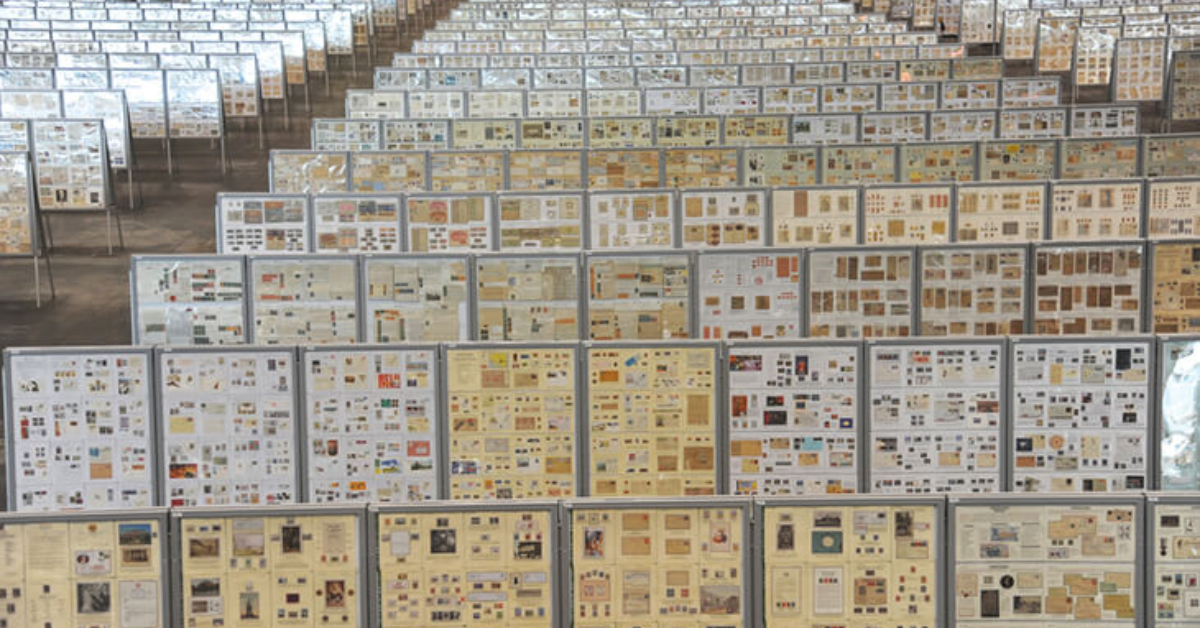
International stamp exhibitions are not only about showcasing rare philatelic treasures but also about ensuring authenticity and fair evaluation. VII BRISPE 2024 follows strict international standards to grade, authenticate, and assess exhibits presented by collectors from around the world.
Transparent judging systems, certified jurors, and technical evaluation criteria ensure that every exhibit is reviewed objectively. Understanding how grading and authentication work helps collectors prepare better and appreciate the prestige attached to medals awarded at such exhibitions.
Table of Contents
Exhibition Overview
Overview of Evaluation Structure at VII BRISPE 2024
| Element | Details |
|---|---|
| Governing Standard | FIP-aligned judging regulations |
| Judging Panel | Accredited international jurors |
| Evaluation Categories | Treatment, Knowledge, Rarity, Condition, Presentation |
| Authentication Requirement | Expert certificates for rare items |
| Award Levels | Gold, Large Vermeil, Vermeil, Silver, Bronze |
| Scoring System | 100-point evaluation scale |
This structured framework ensures consistency with global philatelic practices and maintains international credibility.
Judging Criteria
Stamp exhibits at VII BRISPE 2024 are evaluated using internationally accepted philatelic standards. Each exhibit is reviewed under a defined point-based system that ensures fairness and uniformity across all competitive classes. Judges assess both the philatelic content and the quality of presentation.
The primary evaluation categories include:
- Treatment and Importance – Logical development of the theme and significance of the subject
- Philatelic Knowledge – Depth of research and accurate descriptions
- Rarity – Scarcity and uniqueness of the material shown
- Condition – Physical state and preservation quality
- Presentation – Clarity, layout, and visual organization
Each category contributes to the final score, with some sections carrying greater weight depending on the exhibition class.
Grading System
Grading at VII BRISPE 2024 follows a 100-point scoring method aligned with international exhibition norms. Points awarded determine the medal classification, reflecting both quality and competitive standing. Even small scoring differences can influence whether an exhibit earns a Gold or Large Vermeil medal.
Typical medal thresholds include:
- 95–100 Points – Large Gold
- 90–94 Points – Gold
- 85–89 Points – Large Vermeil
- 80–84 Points – Vermeil
- 75–79 Points – Large Silver
- 70–74 Points – Silver
- 65–69 Points – Silver Bronze
- 60–64 Points – Bronze
Such grading not only recognizes excellence but also motivates collectors to refine research and improve display techniques.
Authentication Process
Authentication is a crucial part of any international exhibition, particularly when rare or high-value stamps are displayed. At VII BRISPE 2024, exhibitors must provide recognized expert certificates for rare or disputed philatelic material. These certificates confirm authenticity, origin, and condition.
The authentication process generally involves:
- Submission of expert certificates from recognized philatelic bodies
- Verification by exhibition authorities before display
- Additional review by jurors if authenticity questions arise
Stamps lacking proper documentation may face scoring penalties or exclusion. This strict protocol protects both exhibitors and visitors from misrepresented material.
Jury Composition
Judging panels at VII BRISPE 2024 consist of internationally accredited jurors with specialized expertise in different philatelic classes. These experts are trained under global exhibition frameworks and follow standardized evaluation procedures.
The jury typically includes:
- Senior international jurors
- Apprentice jurors gaining certification experience
- Class-specific specialists, such as thematic, postal history, or traditional philately experts
Jurors work collectively, but independently score exhibits before reaching a consensus. Transparency and impartiality are core principles of the evaluation process.
Competitive Classes
Exhibits at VII BRISPE 2024 are categorized into multiple competitive classes. Each class has tailored judging criteria while maintaining the overall 100-point structure. This ensures that different collecting approaches are evaluated fairly.
Common exhibition classes include:
- Traditional Philately
- Postal History
- Thematic Philately
- Aerophilately
- Revenue Philately
- Open Philately
- Youth Classes
Each class emphasizes specific aspects. For example, Thematic Philately focuses heavily on storytelling and thematic development, while Postal History prioritizes historical documentation and route analysis.
Scoring Feedback
One distinctive feature of international exhibitions like VII BRISPE 2024 is the feedback system. After judging is completed, exhibitors may receive evaluation sheets outlining strengths and weaknesses. This constructive feedback supports educational growth within the philatelic community.
Feedback often addresses:
- Areas where research could be expanded
- Suggestions for improved presentation layout
- Clarification of thematic structure
- Identification of opportunities to upgrade rarity
Such insights help collectors prepare for future exhibitions and enhance the overall quality of global philately.
Quality Standards
High-quality mounting, proper preservation techniques, and accurate descriptions are essential at VII BRISPE 2024. Judges assess not only the rarity of material but also how well it is protected and displayed. Poor handling or improper mounting can reduce points under the condition and presentation categories.
Collectors must ensure:
- Use of archival-safe mounting materials
- Clear and readable captions
- Logical page sequencing
- Secure framing for exhibition boards
Professional display standards contribute significantly to final scoring outcomes.
Final Perspective
Stamp grading and authentication at VII BRISPE 2024 reflect the highest international standards in competitive philately. Through structured evaluation criteria, transparent scoring systems, and certified authentication procedures, the exhibition maintains its global credibility.
For collectors, understanding these processes is essential to competing successfully. Preparation, documentation, and careful presentation play as much a role as rarity itself. Ultimately, the grading framework not only determines medal standings but also strengthens trust and integrity within the worldwide philatelic community.