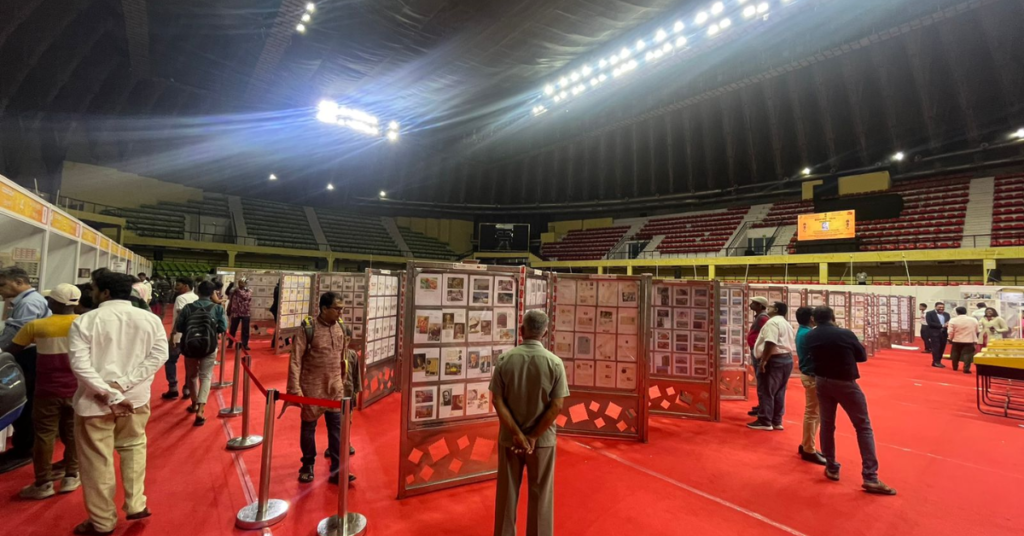
VII BRISPE 2024 demonstrated that philately is evolving alongside technology. While classic stamps and postal history remain central to exhibitions, digital philately and modern exhibit formats gained visible attention. Collectors are increasingly incorporating digital tools, contemporary postal material, and interactive research methods into their presentations.
The presence of modern exhibits at BRISPE reflected a broader shift within the philatelic community. Technology is reshaping how collectors research, authenticate, design, and even display their material. These innovations did not replace traditional standards but complemented them, creating a balanced blend of heritage and innovation.
Table of Contents
Modern Exhibits Overview
| Category | Focus Area | Key Innovation | Impact On Judging |
|---|---|---|---|
| Digital Research Displays | Data-backed analysis | Online archives & databases | Stronger documentation |
| Contemporary Issues | 21st-century stamps | Modern printing techniques | Fresh relevance |
| Hybrid Presentations | Print + digital design tools | Graphic layout software | Cleaner layouts |
| Experimental Themes | Technology & AI topics | Current global issues | Expanded subject scope |
Digital Research Displays
One of the most notable trends at VII BRISPE 2024 was the integration of digital research methods. Exhibitors used online archives, digitized postal records, and specialized databases to verify printing varieties, confirm rate structures, and trace postal routes with greater precision.
These digital resources strengthen exhibit credibility. Judges recognized that well-documented citations from digitized collections enhanced the knowledge component of scoring. Rather than replacing traditional scholarship, digital research expanded access to primary sources and allowed exhibitors to uncover details previously difficult to obtain.
Contemporary Issues
Modern philatelic material, including recent commemoratives and innovative printing technologies, formed an important segment of the exhibition. Contemporary issues reflect changing themes such as environmental awareness, technological milestones, and global cultural events.
Exhibits focusing on 21st-century material demonstrated how philately continues to document current history. Judges assessed these collections with the same rigor applied to classic material, emphasizing treatment, research, and relevance.
Hybrid Presentations
Another noticeable development was the use of digital design tools to enhance layout and organization. While physical frames remained the display standard, exhibitors increasingly relied on graphic software to structure pages before printing them for mounting.
This approach improved visual clarity. Balanced typography, consistent formatting, and precise alignment enhanced readability. Judges responded positively to exhibits that maintained professional aesthetics without overwhelming the content.
Technology-Themed Exhibits
Several modern thematic exhibits explored contemporary subjects such as space technology, renewable energy, artificial intelligence, and digital communication systems. These themes reflected current global conversations and demonstrated philately’s relevance in documenting innovation.
Judges evaluated these topics based on clarity of treatment and philatelic authenticity. Successful exhibits avoided superficial commentary and instead linked stamps directly to technological milestones. By combining up-to-date themes with solid documentation, exhibitors maintained competitive standards while exploring modern narratives.
Digital Authentication Tools
Authentication processes also benefited from digital advancement. High-resolution scanning, watermark detection software, and forensic image comparison tools were increasingly referenced by exhibitors in documenting rare items.
These methods enhanced transparency and reduced uncertainty regarding authenticity. While traditional expert certification remains essential, digital verification tools provide supplementary confidence.
Online Community Influence
Digital communities and virtual collector forums influenced modern exhibit preparation. Collectors increasingly collaborate internationally, sharing insights and research findings through digital platforms.
This global exchange enriched exhibit content. Collaborative research contributed to more comprehensive interpretations of postal routes and printing variations. At BRISPE, several exhibitors acknowledged contributions from international research networks, highlighting the growing interconnectedness of the philatelic community.
Balancing Tradition And Innovation
Despite technological advancements, VII BRISPE 2024 maintained strict adherence to international exhibition standards. Digital tools supported research and design, but the physical presentation and judging framework remained consistent with established philatelic guidelines.
This balance ensured continuity while encouraging innovation. Traditional collectors appreciated that core evaluation principles were preserved, while modern participants welcomed the flexibility to integrate contemporary research methods.
Opportunities For New Collectors
Digital philately lowers entry barriers for newcomers. Access to online catalogs, virtual archives, and educational resources enables beginners to learn quickly and prepare competitive exhibits with greater confidence.
Modern themes also resonate strongly with younger collectors. Exhibits addressing space exploration, environmental sustainability, or digital communication systems make philately feel relevant and current. By embracing technology responsibly, exhibitions like BRISPE foster growth without compromising scholarly standards.
Future Outlook
Digital philately and modern exhibits at VII BRISPE 2024 highlighted the evolving nature of competitive collecting. Technology enhanced research precision, improved layout quality, and broadened thematic exploration.
As exhibitions continue to integrate digital resources while preserving traditional judging structures, philately remains adaptable and forward-looking. The successful blend of innovation and heritage at BRISPE demonstrated that modern tools strengthen — rather than diminish — the intellectual depth and cultural significance of stamp collecting.