VII BRISPE 2024 brought together an impressive range of competitive exhibits across multiple philatelic classes. Among them, three divisions consistently attracted strong attention from judges and visitors alike: Traditional Philately, Postal History, and Thematic Philately. Each category demonstrated a different dimension of collecting — from classic stamp studies to detailed route analysis and creative storytelling.
What made the top exhibits stand out was not only the rarity of the material but also the clarity of the research and presentation. The best entries followed international evaluation standards while presenting cohesive narratives that engaged both specialists and general audiences.
Table of Contents
Exhibit Highlights
| Category | Focus Area | Award Level (Top Exhibits) | Defining Strength |
|---|---|---|---|
| Traditional Philately | Classic stamp issues | Large Gold | Depth of technical study |
| Postal History | Routes & markings | Gold / Large Gold | Contextual research |
| Thematic Philately | Story-driven topics | Gold | Narrative structure |
Traditional Philately
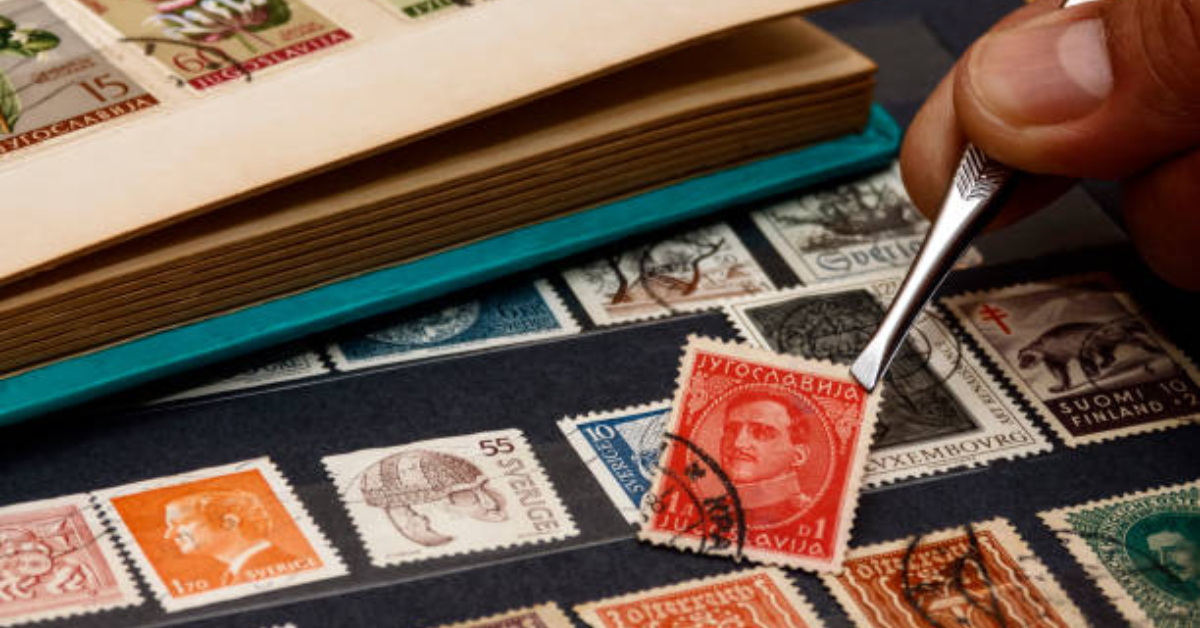
Traditional philately centers on the detailed study of stamps themselves — their design, printing methods, paper types, watermarks, perforations, and plate varieties. At VII BRISPE 2024, the strongest traditional exhibits focused heavily on early Brazilian classics and key international issues.
Top-performing collections demonstrated exceptional specialization. Exhibitors presented rare multiples, shade variations, and documented printing flaws supported by expert certificates. Judges particularly valued exhibits that explained production processes rather than merely listing technical details. Clear page organization and precise philatelic terminology contributed to high scores in knowledge and treatment.
Postal History
Postal history exhibits focus on how mail moved through time — including routes, rates, cancellations, and postal markings. At BRISPE 2024, several standout collections traced evolving communication systems across regions and centuries.
The most impressive postal history exhibits included rare covers with documented routes, transitional rate changes, and historically significant markings. Judges rewarded entries that connected postal artifacts to broader historical events such as political transitions, trade expansions, or technological innovations.
Thematic Philately
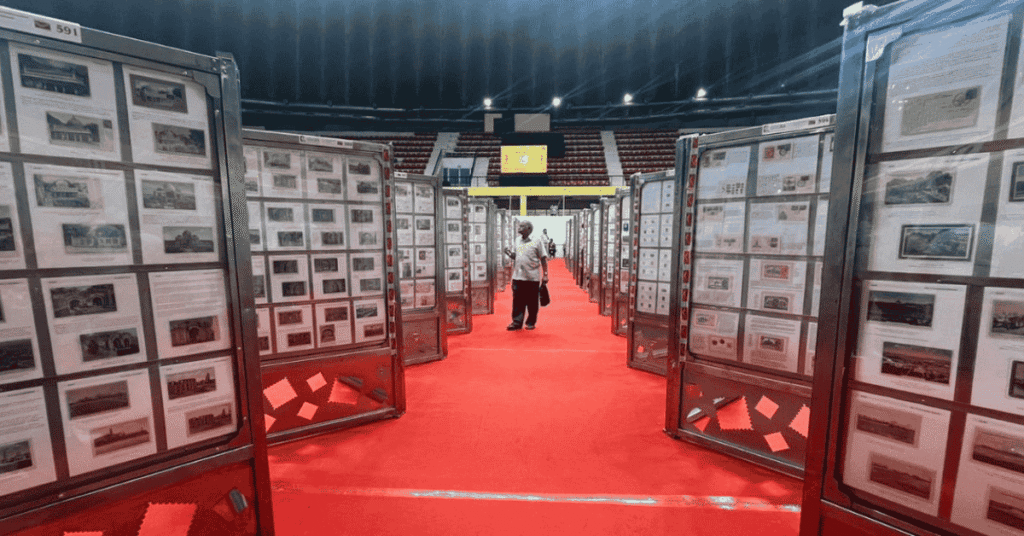
Thematic exhibits interpret stamps around a central subject such as aviation, culture, science, or environment. At VII BRISPE 2024, thematic displays were among the most visually engaging sections of the exhibition hall.
Top thematic collections were carefully structured with introductory statements outlining objectives and scope. Successful exhibitors avoided overly broad themes, instead narrowing their focus to allow detailed exploration. Judges consistently emphasized the importance of philatelic relevance — ensuring that each displayed item meaningfully supported the storyline.
Judging Comparisons
While each category has unique criteria, certain qualities remained consistent across top exhibits. Strong organization, logical progression, and clarity of explanation were common traits among medal-winning entries.
Traditional exhibits emphasized technical mastery, postal history entries highlighted contextual interpretation, and thematic collections prioritized narrative coherence. Judges balanced rarity with relevance, ensuring that material selection directly supported each exhibit’s stated objective.
Material Quality
Condition played a crucial role across all divisions. Well-preserved stamps and covers enhanced credibility and strengthened overall impressions. Even rare items could lose scoring advantage if damaged or poorly presented.
Exhibitors who included certified material or documented provenance gained additional confidence from judges. Clear labeling and careful mounting prevented distractions, allowing the philatelic content to remain the focal point.
Presentation Standards
Professional presentation enhanced the visual experience of each exhibit. Consistent typography, balanced spacing, and uncluttered layouts were noticeable among higher-scoring collections. Judges valued pages that were easy to read and logically structured.
Lighting considerations and frame alignment within the exhibition space also influenced perception. Exhibits that maintained uniform visual quality from first page to last conveyed preparation and professionalism.
Category Distinctions
Traditional philately rewarded specialization and technical expertise. Exhibits in this class required deep knowledge of stamp production and variation analysis. Rarity alone was insufficient without structured interpretation.
Postal history favored contextual storytelling through real postal artifacts. Exhibitors needed to demonstrate understanding of rate tables, route evolution, and marking significance. Strong documentation supported scoring success.
Collector Takeaways
Collectors aspiring to compete in future exhibitions can learn from the standout examples at VII BRISPE 2024. Selecting a focused scope allows deeper analysis and stronger scoring potential.
Investing time in research and documentation significantly improves evaluation outcomes. Whether studying classic issues, postal routes, or thematic stories, structured preparation is essential for competitive success.
Final Analysis
The best Traditional, Postal History, and Thematic exhibits at VII BRISPE 2024 demonstrated that excellence in philately requires more than rare material. Structured storytelling, technical accuracy, and polished presentation collectively determined award levels.
By mastering category-specific standards while maintaining clarity and research depth, exhibitors elevated their collections to international recognition. These standout displays not only earned medals but also reinforced the intellectual richness and enduring appeal of competitive philately.