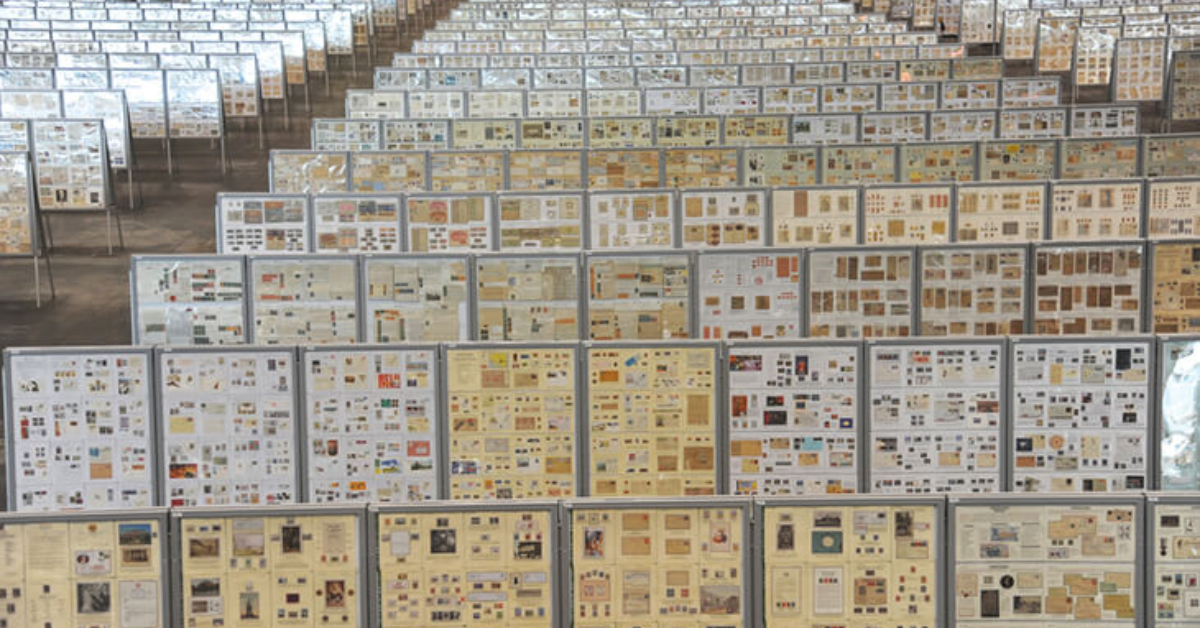
At VII BRISPE 2024, competitive exhibits showcased the highest levels of research, presentation, rarity, and storytelling in global philately. These award-winning displays captivated judges and visitors alike by blending deep historical insight with professional presentation standards. Philatelists from diverse backgrounds presented material ranging from classic Brazilian rarities to themed global narratives, each illustrating what excellence looks like in international exhibition settings.
Understanding why certain exhibits excelled offers valuable lessons for collectors and enthusiasts. This guide highlights the top award-winning presentations, what distinguished them, and key features that contributed to their success.
Table of Contents
Exhibit Highlights
| Exhibit Title | Collector | Award Level | Key Strengths |
|---|---|---|---|
| Brazilian Classics | Senior Exhibitor | Large Gold | Exceptional rarity & research |
| Global Airmail | International | Gold | Thematic depth & continuity |
| Postal Routes | Advanced Youth | Large Vermeil | Clear narrative & condition |
| Cultural Icons | Emerging Collector | Vermeil | Strong storytelling |
| Maritime Mail | Specialist | Silver | Unique material focus |
Brazilian Classics
One of the standout showcases at VII BRISPE 2024 was Brazilian Classics, a Large Gold-winning exhibit that demonstrated masterful command of early Brazilian postal issues. What set this presentation apart was the combination of historically rare material, meticulous documentation, and a tightly structured narrative.
The collector behind this exhibit displayed classic nineteenth-century issues, including early Bull’s Eyes and imperial series. Beyond rarity, the strength lay in how the exhibit contextualized each issue within broader postal history — explaining why plates were changed, how printing evolved, and how these stamps served the communication needs of the era.
Global Airmail
In the competitive thematic class, Global Airmail earned a Gold award by presenting a unified narrative of air postal development across continents. The collector framed the story around key aviation milestones — from early airmail pioneers to mid-twentieth-century international air routes.
The exhibit excelled because thematic logic was strong: each section built upon the last, illustrating not just individual stamps but the evolution of airmail networks. Exceptional use of covers, postal markings, and auxiliary documentation deepened the narrative beyond mere stamp issues.
Postal Routes
A Large Vermeil award went to Postal Routes, a youth class exhibit illustrating historical communication pathways in Latin America. This presentation stood out for its accessibility and educational clarity — two aspects often emphasized in youth divisions.
Despite having fewer rare items than some adult exhibits, Postal Routes demonstrated thoughtful organization, strong descriptive captions, and a compelling narrative arc. The young exhibitor traced how mail traveled between remote towns, ports, and capitals, supported by postal markings and cover images that illustrated change over time.
Cultural Icons
The Vermeil-winning exhibit Cultural Icons focused on how nations represent identity, history, and achievement through stamp art. Rather than concentrating on one country, this exhibit spanned multiple regions, selecting issues that depicted music, art, scientific breakthroughs, and notable leaders.
What made this presentation special was its emphasis on cultural interpretation. Rather than treating stamps as relics, the exhibitor highlighted how visual design conveys meaning — showing how artists, printers, and postal officials used imagery to reflect societal values.
Maritime Mail
The Maritime Mail exhibit, awarded Silver, focused on naval postal services and mail transported by ship routes before the dominance of airmail. While not as highly scored as other exhibits, it earned praise for its niche focus and the rarity of the material presented.
This specialist exhibit included scarce covers with maritime cancellations, auxiliary markings, and route charts. The collector’s challenge was presenting material that was difficult to source while maintaining narrative coherence.
What Judges Look For
Across all award-winning exhibits, certain evaluator priorities emerged:
- Treatment and Narrative – Exhibits with logical progression and clear storytelling scored highly. Visitors and judges alike appreciated narratives that guided them through historical or thematic developments.
- Knowledge and Research – Exhibits supported by documented research, citations, and detailed captioning consistently outperformed displays focused solely on rarity. Research depth demonstrated collectors’ mastery of subject matter.
- Condition and Presentation – Material in excellent physical condition, mounted professionally with clear labels and balanced layouts, enhanced readability, and visual impact.
- Rarity and Importance – While not the only factor, scarcity and significance of material influenced scores, especially when tied to documented historical relevance.
Lessons for Collectors
Visitors and aspiring exhibitors can draw several lessons from the award-winning displays at VII BRISPE 2024:
- Focus on a Single Theme – Narrow, well-defined themes allow deeper research and more coherent narratives, which judges reward.
- Invest in Documentation – Provenance, expert certificates, and research citations strengthen credibility and exhibit value.
- Balance Material with Storytelling – Rare items gain higher scoring when contextualized within broader narratives rather than displayed in isolation.
- Refine Presentation – Professional preparation — from page layout to consistent labeling — enhances readability and aesthetic appeal.
Closing Reflections
Award-winning exhibits at VII BRISPE 2024 demonstrated that exceptional philatelic presentations go far beyond rare stamps alone. They blend thoughtful themes, rigorous research, articulate storytelling, and professional display standards. These elements together create compelling narratives that captivate judges and audiences alike.
For collectors at all levels — whether seasoned exhibitors or new enthusiasts — the lessons from these exhibits provide clear pathways to elevate their collecting and exhibiting practice. By learning from the best, future participants can contribute richly to the ongoing legacy of international philately.