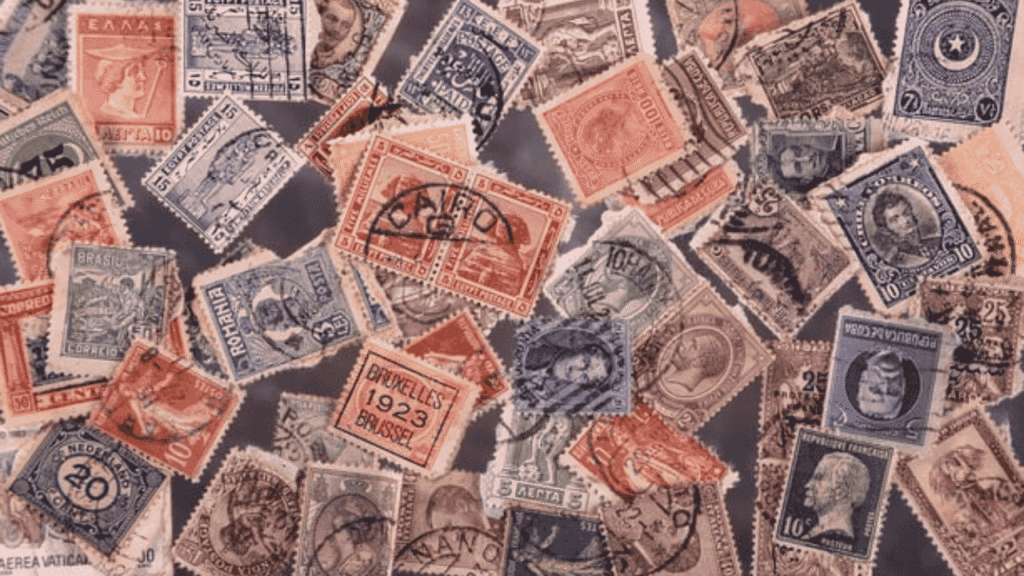
Stamp collecting — once seen mainly as a hobby — has evolved into an arena where historical significance, artistic appeal, and market value intersect. At VII BRISPE 2024, dealers, collectors, and market analysts shared perspectives on the investment potential of philatelic material in today’s economic climate. While stamps are not guaranteed financial instruments like stocks or bonds, many collectors view them as tangible assets that can appreciate over time when chosen wisely.
This guide explores whether stamps remain a viable investment in 2024, drawing practical insights from conversations and exhibits at BRISPE. By understanding market dynamics, rarity factors, condition standards, and long-term trends, new and seasoned collectors alike can make more informed decisions about building investment-oriented collections.
Table of Contents
Investment Summary
| Factor | Influence on Value | Why It Matters |
|---|---|---|
| Rarity | High | Scarcity drives demand |
| Condition | Very High | Better condition = stronger value |
| Historical Significance | Moderate to High | Cultural context adds allure |
| Market Demand | Variable | Influences price momentum |
| Provenance | Increasing | Documentation enhances credibility |
| Market Liquidity | Moderate | Not as fast as traditional assets |
Why Rarity Matters
At BRISPE 2024, one consistent theme was the impact of rarity on value. Stamps issued in limited quantities or surviving in very few examples command higher prices among collectors and investors. Classic issues, printing errors, and unique varieties often achieve premium valuations because they are difficult to obtain.
Rarity is not simply defined by age; it also involves production numbers, survival rates, and documented history. For example, a rare positional error or a limited-run regional issue may appreciate more quickly than a relatively common nineteenth-century stamp with large surviving stock. Collectors seeking investment value closely monitor rarity trends and historical issuance records.
Condition Is King
Condition remains one of the most critical factors affecting a stamp’s value. At international exhibitions such as BRISPE, exhibits frequently underscore how subtle differences in centering, gum integrity, and perforation quality influence pricing. Even a small crease, heavy cancellation, or uneven margins can significantly reduce market value.
Collectors and investors alike prioritize material that is well-preserved, preferably with original gum intact when appropriate. Certificates of authenticity and expert grading further enhance confidence in condition assessments. In a market where buyers pay a premium for excellence, condition often outweighs age alone.
Historical and Cultural Significance
Stamps are miniature historical documents reflecting cultural, political, and technological narratives. Issues commemorating major events or featuring iconic design elements often stir interest beyond traditional collector circles. At BRISPE 2024, several exhibits highlighted how historically significant stamps attract broader attention from museums, academic researchers, and thematic collectors.
While cultural significance alone does not guarantee market appreciation, it often enhances desirability within certain collector segments. Investors who focus on themes such as national heritage, pioneering aviation mail, or notable political anniversaries may find material that maintains consistent interest over decades.
Market Demand and Trends
Unlike highly liquid financial markets, the philatelic market moves at a slower pace, influenced by collector interest, regional trends, and auction results. Demand fluctuates with demographic shifts and collector engagement levels. At BRISPE, discussions about market trends suggested that thematic areas such as postal history, aerophilately, and classic era issues continue to attract strong interest.
However, demand is not uniform. Some segments may experience periods of lower activity, reflecting changes in collector preferences or broader economic conditions. Investors should monitor auction results and dealer pricing trends to identify areas of sustained demand and avoid speculative bubbles in niche categories.
Provenance Enhances Value
Provenance refers to documented ownership history, including previous auction records, expert certificates, and publication references. Stamps with well-documented provenance often fetch higher prices because buyers trust their authenticity and historical context.
At BRISPE, several exhibits illustrated how detailed documentation increases confidence among serious collectors. Provenance also contributes to narrative appeal — stamps connected to notable collections or historical events carry greater allure. For investors, establishing clear documentation from the outset enhances future marketability.
Liquidity and Market Realities
Stamp investments are inherently less liquid than many traditional financial assets. Sales often occur through specialized auctions, dealer networks, or private transactions. Converting a valuable stamp into cash may require patience and strategic timing to reach the right buyer.
New collectors looking at stamps for investment should recognize this reality. Unlike stocks or commodities traded daily, the philatelic market involves periodic auctions and specialized buyers. Planning for a long-term horizon and maintaining connections within the collector community support better outcomes.
Balancing Passion and Profit
At BRISPE 2024, many seasoned collectors emphasized that philately should primarily be driven by passion and historical appreciation. While investment potential exists, the hobby’s intrinsic rewards — learning history, connecting with peers, discovering rare material — often outweigh financial considerations.
A balanced approach blends enjoyment with strategic collecting. Beginners should build thematic or historical collections that reflect personal interests, while gradually learning which areas demonstrate steady market growth. Over time, select pieces within such collections may gain value without compromising overall enjoyment.
Risk Management for New Investors
Stamp investing is not without risk. Market values can fluctuate, and incorrect condition grades or authenticity assumptions can lead to poor financial decisions. Beginners should:
- Build foundational knowledge of grading and issuance history
- Seek expert certificates for high-value purchases
- Avoid chasing hype without understanding long-term trends
- Consult experienced collectors and dealers before major investments
Patience and informed decision-making minimize risk and enhance long-term prospects.
Collecting for Long-Term Value
Value accrues when collections demonstrate historical depth, excellent condition, and clear documentation. Focused themes often outperform scattered assortments. At BRISPE, exhibits that showcased research and narrative coherence also attracted serious attention — another signal that collections built with context and purpose retain relevance.
Long-term collectors often refine their holdings over years, replacing less desirable material with stronger examples. This approach aligns with investment principles: continual refinement and disciplined selection contribute to portfolio strength.
Final Perspective
Stamps remain a unique and potentially rewarding investment in 2024, but their value derives from a combination of rarity, condition, provenance, and sustained demand rather than quick speculation. Insights from BRISPE 2024 reinforce that philately is both an intellectual pursuit and a market with nuanced dynamics.
For beginners, the most reliable strategy is to collect with passion, learn deeply, and approach investment elements strategically. Over time, well-chosen material with strong documentation and historical appeal can appreciate and offer satisfaction beyond monetary returns. In an era where tangible heritage matters, stamps continue to hold value — both culturally and financially — for those who understand their significance.