Brazil occupies a distinguished position in global philately, not only for its early postal issues but also for its leadership in organizing structured international exhibitions. Over the decades, the country has developed a strong institutional framework that supports competitive standards, research excellence, and international participation. The BRISPE series reflects this evolution, demonstrating Brazil’s growing influence within the worldwide stamp-collecting community.
Understanding the history of BRISPE requires examining Brazil’s philatelic foundations, organizational development, and strategic engagement with global exhibition networks. This journey explains how the country emerged as a respected hub for international stamp exhibitions.
Table of Contents
Early Foundations
Brazil’s philatelic history began in the nineteenth century with the issuance of some of the world’s earliest postage stamps. These early issues quickly gained international recognition for their rarity and historical significance. Over time, collectors within Brazil formed local clubs and study groups dedicated to preserving postal artifacts and documenting printing variations.
Institutional growth followed grassroots enthusiasm. National federations were established to coordinate exhibitions, publish research, and represent Brazil in international philatelic forums. These foundational efforts created the administrative backbone necessary for hosting large-scale competitive events.
Historical Milestones Overview
| Period | Development |
|---|---|
| 19th Century | Introduction of early Brazilian postage stamps |
| Early 20th Century | Formation of philatelic clubs and societies |
| Mid 20th Century | Establishment of national federations |
| Late 20th Century | Expansion into international exhibitions |
| 21st Century | BRISPE series strengthens global presence |
These milestones demonstrate a gradual but strategic progression toward international prominence.
Institutional Growth
Organizational strength played a crucial role in Brazil’s rise as an exhibition hub. National philatelic federations developed structured regulations aligned with international judging standards. Training programs for judges and exhibit coordinators ensured consistent evaluation and governance.
Collaboration with global philatelic bodies enhanced credibility. Participation in international congresses allowed Brazilian representatives to adopt standardized exhibition frameworks. As administrative capacity improved, Brazil became capable of hosting events that met rigorous global expectations.
Institutional growth also facilitated funding partnerships and sponsorship support. This financial stability enabled larger venues, professional display systems, and international outreach efforts.
Exhibition Expansion
The expansion phase marked Brazil’s transition from national gatherings to internationally recognized exhibitions. Events attracted collectors from neighboring countries, gradually expanding participation across continents.
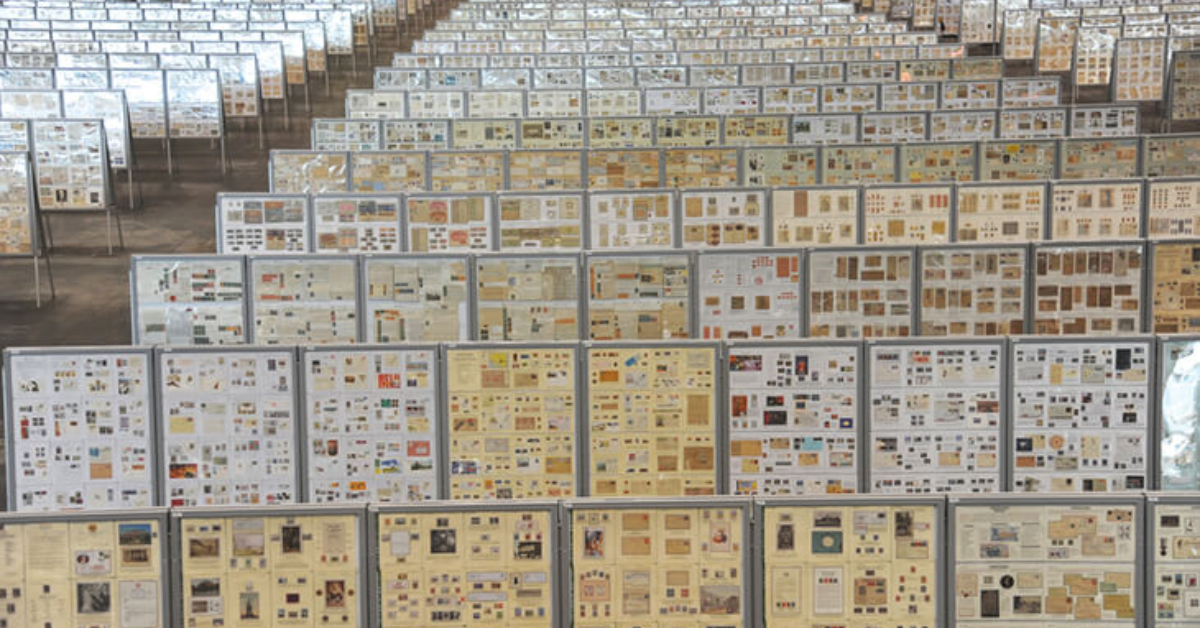
Exhibitions grew in scale and sophistication. Display frames increased, judging panels included accredited international jurors, and competitive classes diversified. The inclusion of thematic philately, postal history, youth classes, and literature sections broadened the appeal.
BRISPE emerged within this context as part of a broader movement to position Brazil as a recurring host for structured international exhibitions. Each edition reinforced operational experience and strengthened the country’s reputation for organizational competence.
Global Alignment
Alignment with international exhibition standards accelerated Brazil’s rise. By adhering to established judging criteria, medal classifications, and class regulations, Brazilian exhibitions gained worldwide recognition.
Key alignment factors included:
- Standardized Scoring Systems – Adoption of structured 100-point evaluation models.
- Accredited Jury Panels – Inclusion of internationally trained judges.
- Transparent Regulations – Clear prospectuses and eligibility criteria.
- International Invitations – Outreach to foreign federations and collectors.
Such alignment ensured that awards earned in Brazil carried credibility within the global competitive hierarchy.
Cultural Influence
Brazil’s cultural diversity and historical depth added a unique character to its exhibitions. Displays often highlight national history, aviation milestones, maritime routes, and regional heritage themes. This cultural richness attracts international collectors interested in Latin American postal history.
Exhibitions serve as platforms for cultural diplomacy. Participants exchange research insights, publications, and archival discoveries. This interaction positions Brazil not only as a host but as an intellectual contributor to global philatelic scholarship.
Cultural influence extends beyond display frames. Media coverage, commemorative issues, and educational programs enhance public awareness of philately’s historical value.
Competitive Reputation
Repeated successful exhibitions strengthened Brazil’s competitive reputation. Consistency in organization built trust among international federations and exhibitors. Exhibitors returning for subsequent editions reflect confidence in judging fairness and operational professionalism.
Competitive credibility depends on reliable medal progression systems. Exhibits earning recognition in Brazil often advance to higher-tier international competitions. This progression reinforces Brazil’s role within the global exhibition circuit.
Over time, BRISPE became associated with structured governance, balanced evaluation, and scholarly emphasis. Such characteristics elevate the country’s standing within the international philatelic community.
Infrastructure Development
Modern exhibition infrastructure contributed significantly to Brazil’s success. Large venues, advanced display frames, secure mounting systems, and digital cataloging tools enhanced professionalism.
Investment in logistical planning improved exhibitor experience. Streamlined registration processes, secure material transport coordination, and efficient frame allocation systems increased participation confidence.
Infrastructure modernization ensured that Brazil could host exhibitions meeting contemporary expectations while preserving traditional presentation standards.
Educational Impact
BRISPE events extend beyond competition. Workshops, lectures, and youth engagement initiatives strengthen educational outreach. Training sessions for emerging judges and exhibitors cultivate the next generation of philatelic leaders.
Educational programming promotes research-based collecting. Exhibitors learn advanced documentation techniques and presentation refinement strategies. This emphasis on education sustains long-term development within the hobby.
Youth participation programs reinforce continuity. Encouraging younger collectors secures the future of Brazilian and global philately.
International Recognition
As Brazil demonstrated consistent operational excellence, international recognition followed. Invitations to global jurors, foreign exhibit entries, and collaborative partnerships increased. Recognition positioned Brazil as a reliable destination within the international exhibition calendar.
BRISPE’s growth reflects accumulated trust. Each edition contributes to a legacy of structured governance and scholarly advancement. Recognition reinforces Brazil’s identity as a central node within the global philatelic network.
Future Trajectory
Brazil’s trajectory suggests continued expansion and innovation. Integration of digital cataloging, hybrid evaluation models, and modern display technologies may shape future BRISPE editions. Balancing technological integration with traditional scholarship will remain essential.
Sustained collaboration with international federations and investment in youth development will likely define the next phase of growth. Brazil’s established infrastructure and institutional experience provide a strong foundation for future leadership.
Moving Forward
The history of BRISPE illustrates how Brazil evolved from early philatelic enthusiasm into a respected hub for international stamp exhibitions. Institutional growth, global alignment, cultural richness, and consistent competitive standards collectively shaped this transformation.
Brazil’s journey demonstrates that sustained organization, adherence to international regulations, and commitment to education can elevate a national philatelic community onto the world stage. As BRISPE continues to develop, it reinforces Brazil’s enduring influence within global competitive philately.