International stamp exhibitions operate under structured global standards that ensure fairness, credibility, and excellence. At the center of this system stands the Fédération Internationale de Philatélie (FIP), the world governing body for competitive philately. FIP recognition elevates exhibitions to an international level and connects them to a unified judging framework.
Understanding how FIP-recognized exhibitions function helps clarify where VII BRISPE 2024 stands within the global philatelic landscape. This guide explains FIP categories, evaluation standards, and how exhibitions align with international recognition.
Table of Contents
FIP Overview
The Fédération Internationale de Philatélie (FIP) oversees international competitive philately. Established to standardize exhibition practices worldwide, it provides regulations, judging guidelines, and classification systems for recognized events.
FIP works with national federations to authorize and supervise exhibitions. When an event receives FIP patronage or recognition, it must follow specific rules regarding exhibit classes, jury composition, award structures, and organizational standards. This ensures uniformity across countries and maintains high levels of professional credibility.
FIP Recognition Levels
| Recognition Type | Description |
|---|---|
| World Exhibition | Highest level, fully under FIP patronage |
| International Exhibition | Recognized and supervised by FIP |
| Specialized Exhibition | Focused on specific classes or themes |
| National Exhibition | Organized domestically, may seek FIP recognition |
| Regional Exhibition | Limited to geographic areas or federations |
These categories determine eligibility for international awards and medal progression.
Exhibition Categories
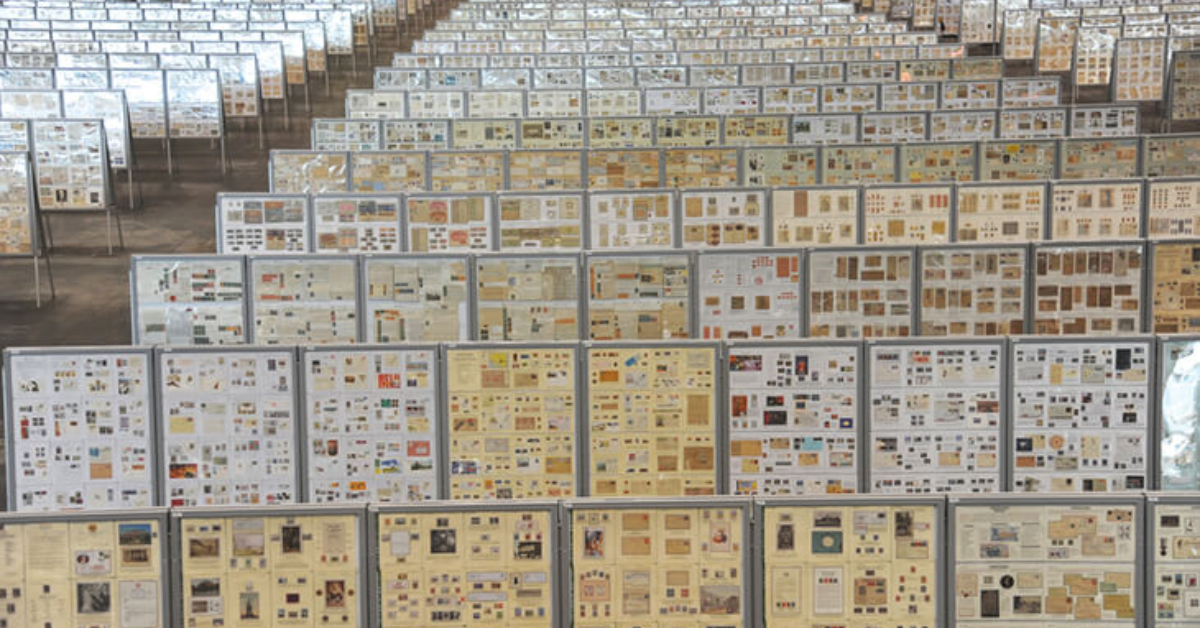
FIP-recognized exhibitions are divided into structured competitive classes to maintain fairness and comparability. Each class has dedicated judging criteria and technical regulations.
Common classes include:
- Traditional Philately – Detailed study of stamps, printing methods, and variations.
- Postal History – Research on mail routes, cancellations, and postal systems.
- Thematic Philately – Storytelling through stamps organized by subject.
- Aerophilately – Focus on airmail history and aviation-related material.
- Youth Philately – Age-specific competition encouraging young collectors.
- Philatelic Literature – Books, journals, and digital research publications.
These categories allow collectors to compete within clearly defined boundaries while demonstrating research depth and presentation quality.
Judging Standards
FIP recognition requires exhibitions to apply standardized evaluation systems. Exhibits are scored using criteria such as rarity, condition, knowledge, research, treatment, and presentation. The total score determines medal levels ranging from bronze to large gold.
Juries consist of accredited FIP judges who have completed training and certification. Their role extends beyond scoring; they also provide feedback to exhibitors for improvement. This mentoring aspect strengthens the educational value of recognized exhibitions.
Transparent scoring and international oversight protect competitive integrity. Exhibitors aiming for global recognition often use FIP exhibitions as stepping stones toward higher medal classifications.
Recognition Benefits
FIP recognition brings several advantages to an exhibition and its participants:
- International Prestige – Enhanced credibility within the global philatelic community.
- Medal Validity – Awards recognized worldwide for ranking progression.
- Standardized Governance – Clear operational and judging procedures.
- Global Participation – Increased interest from international exhibitors.
- Professional Jury Panels – Accredited experts ensuring consistent evaluation.
These benefits elevate both the event and the exhibitors, creating a structured pathway for collectors pursuing advanced competitive goals.
BRISPE Positioning
Determining where VII BRISPE 2024 stands requires examining its organizational structure and level of international affiliation. If organized as a fully FIP-recognized international exhibition, it would operate under official FIP regulations with accredited jurors and internationally valid medal awards.
If categorized at a national or regional level, VII BRISPE may still follow FIP-aligned standards without holding full patronage status. Many exhibitions operate successfully within national federations while preparing for higher levels of recognition in future editions.
The positioning ultimately depends on formal authorization status, participating federations, and compliance with FIP regulatory frameworks. Regardless of its tier, adherence to structured judging and exhibit classification strengthens its standing in the competitive philatelic world.
Competitive Progression
Exhibitors often progress through a structured competitive pathway. National exhibitions typically serve as entry points where collectors refine presentation techniques and research documentation. Strong performance at this stage may qualify exhibits for international or world-level events.
Medal progression under FIP guidelines follows a scoring ladder. Achieving a vermeil or gold medal at recognized exhibitions enhances eligibility for higher-tier competitions. This progression system encourages continuous improvement and long-term engagement.
VII BRISPE 2024 may function as a qualifying platform if aligned with recognized standards. Such positioning benefits exhibitors seeking international advancement and visibility.
Organizational Framework
FIP-recognized exhibitions require structured planning, including approved exhibition regulations, jury appointments, and exhibit frame allocations. Collaboration between national federations and international committees ensures compliance with established norms.
Administrative transparency is central to recognition. Exhibition committees must provide clear prospectuses, class descriptions, and evaluation criteria. This clarity promotes trust among exhibitors and participating federations.
If VII BRISPE operates within this framework, it reflects adherence to global best practices. Even without full patronage, alignment with FIP principles enhances credibility and organizational professionalism.
Global Context
International stamp exhibitions connect collectors across continents. FIP recognition acts as a unifying standard that bridges diverse philatelic traditions. Exhibitions in Asia, Europe, the Americas, and Africa follow consistent guidelines, allowing collectors to compare achievements fairly.
Brazil’s role in hosting structured exhibitions strengthens its position within this network. Events aligned with international standards attract foreign participation, cultural exchange, and knowledge sharing. VII BRISPE 2024 contributes to this broader ecosystem by reinforcing competitive structure and research excellence.
Final Analysis
FIP-recognized exhibitions represent the highest standard in competitive philately, ensuring uniform judging, transparent governance, and global prestige. Understanding these structures clarifies how exhibitions gain credibility and how collectors progress internationally.
VII BRISPE 2024’s position depends on its formal recognition tier and regulatory alignment. Regardless of classification, structured organization and adherence to international standards reinforce its significance within Brazil’s philatelic landscape. As global philately advances, exhibitions grounded in FIP principles will continue to shape the competitive and educational future of stamp collecting.