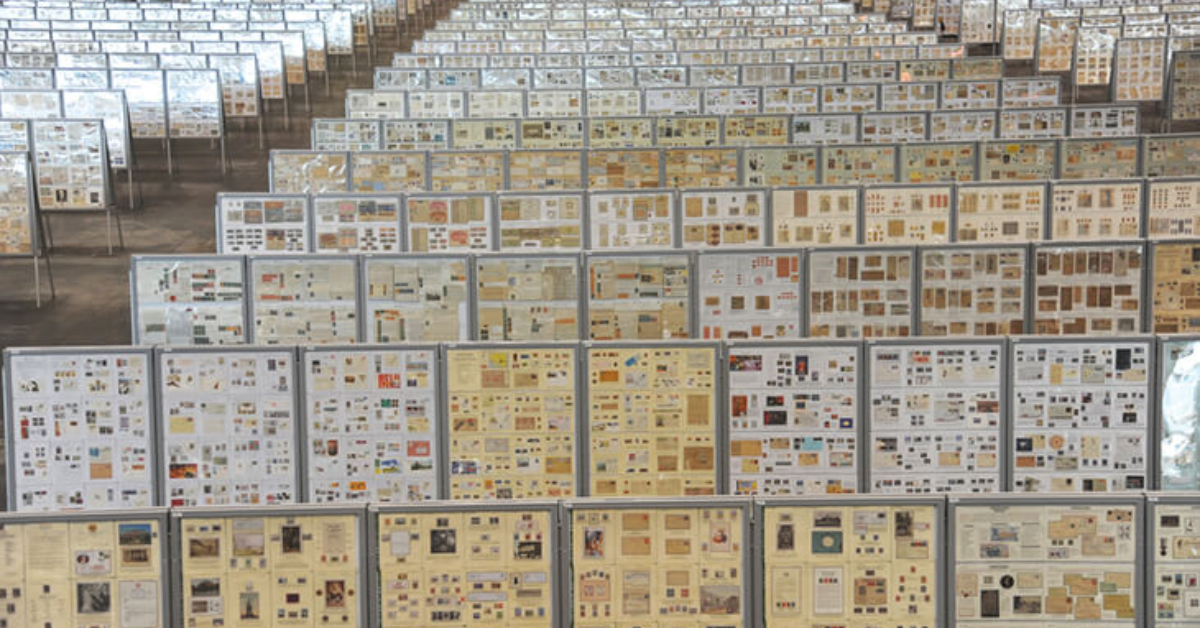
Visiting an international stamp exhibition for the first time is both exciting and overwhelming. Large exhibition halls, competitive displays, dealer booths, seminars, and networking opportunities create a dynamic environment that can feel unfamiliar to newcomers. Without preparation, it is easy to miss valuable learning experiences or make avoidable mistakes.
Understanding how these events function helps first-time visitors navigate them confidently. With the right strategy, exhibitions become powerful educational platforms and gateways into the global philatelic community. This guide outlines practical tips to ensure a rewarding and productive first visit.
Table of Contents
Visitor Essentials
| Preparation Area | Recommended Action | Benefit | Common Mistake |
|---|---|---|---|
| Pre-Event Research | Review event schedule | Better time management | Arriving without a plan |
| Budget Planning | Set spending limits | Avoid overspending | Impulse buying |
| Exhibit Observation | Study award-winning displays | Learn presentation standards | Skipping competitive sections |
| Dealer Interaction | Ask about authenticity | Safer purchases | Buying without verification |
| Networking Strategy | Introduce yourself to experts | Build connections | Staying isolated |
| Documentation Care | Keep purchase records | Protect investment | Losing receipts |
Plan Ahead
Preparation begins before stepping into the exhibition hall. Reviewing the event schedule helps prioritize seminars, award ceremonies, and special exhibits. Many international exhibitions feature educational workshops that provide deep insight into grading, authentication, and thematic collecting.
Creating a personal agenda prevents aimless wandering. Identifying key exhibits or dealers aligned with your interests ensures focused engagement. A structured plan maximizes learning opportunities and reduces fatigue from trying to see everything at once.
Set A Budget
Financial discipline is crucial for first-time visitors. Dealer booths often display rare and visually appealing material that can trigger spontaneous purchases. Without a predefined spending limit, enthusiasm may lead to regret.
Establishing a clear budget before arrival provides control. Dividing funds across multiple days allows time for comparison shopping. Experienced collectors often walk through dealer areas once before purchasing, ensuring thoughtful decisions rather than emotional reactions.
Study Exhibits
What To Observe
- How exhibitors structure their narrative flow
- Balance between material and descriptive text
- Consistency in page layout and mounting
- Clear explanation of rarity and importance
- Logical, chronological, or thematic organization
Competitive exhibits serve as live educational resources. Observing award-winning displays reveals how judges evaluate treatment, knowledge, rarity, and presentation. Notice how each page contributes to a broader story.
Take notes while viewing exhibits. Identifying elements that stand out strengthens your understanding of high-level standards. Even casual collectors benefit from understanding how structured storytelling enhances philatelic impact.
Engage Dealers
Dealer areas provide opportunities to acquire material and expand knowledge. Asking questions about condition, provenance, and certification builds confidence in purchasing decisions. Reputable dealers welcome informed inquiries and provide expert guidance.
Avoid purchasing rare items without verification. Request expert certificates for high-value stamps and examine material carefully using magnification tools when possible. Careful evaluation protects long-term value.
Network Actively
Building Connections
- Introduce yourself to exhibitors
- Attend seminars and discussion panels
- Join guided tours when available
- Participate in collector forums
- Exchange contact information with mentors
International exhibitions bring together collectors, researchers, and judges from around the world. Networking accelerates learning and opens doors to mentorship. Conversations often provide insights unavailable in printed references.
Do not hesitate to ask exhibitors about their research process. Most are enthusiastic about sharing knowledge and explaining their collecting journey. Active engagement transforms the event from a viewing experience into a collaborative learning opportunity.
Learn Judging Basics
Understanding how exhibits are evaluated adds depth to your visit. International competitions typically assess treatment, knowledge, rarity, condition, and presentation. Observing how these elements interact enhances appreciation for the effort behind each display.
Reading exhibit synopsis pages at the beginning of each display helps interpret objectives. Judges rely heavily on these summaries when assigning scores. Learning this framework prepares visitors for potential future participation.
Protect Purchases
Proper documentation safeguards your investment. Keep receipts, authenticity certificates, and dealer contact details organized. Storing purchases securely during the event prevents accidental damage.
Using protective sleeves or folders ensures that newly acquired material remains in good condition until it can be properly mounted or stored at home. Preservation begins the moment a stamp changes hands.
Manage Time
Large exhibitions require energy management. Spending too much time in one section may limit exposure to other valuable areas. Allocating time blocks for exhibits, dealer browsing, and seminars creates balance.
Short breaks help maintain focus. Reviewing notes during rest periods reinforces learning and clarifies priorities for the remainder of the visit.
Avoid Overwhelm
First-time visitors sometimes attempt to absorb everything in a single day. This approach can lead to information overload. Prioritizing specific interests reduces stress and enhances retention.
Accept that one visit cannot cover every display or dealer. Treat the event as a starting point for future exploration rather than a comprehensive experience.
Observe Etiquette
Professional conduct contributes to a positive environment. Avoid touching exhibit frames, follow photography guidelines, and respect quiet viewing spaces. Polite interactions with dealers and collectors foster goodwill.
Exhibitions operate on mutual respect among participants. Demonstrating courtesy enhances reputation and strengthens professional relationships within the philatelic community.
Track Trends
International exhibitions reveal emerging trends in thematic collecting, postal history research, and valuation shifts. Observing popular themes and frequently awarded categories provides insight into evolving standards.
Market awareness supports informed collecting decisions. Recognizing demand patterns and rarity classifications helps visitors make strategic purchases aligned with long-term goals.
Looking Ahead
First-time visits to international stamp exhibitions can shape the direction of a collecting journey. By planning, managing budgets, studying competitive exhibits, engaging actively with experts, and protecting purchases carefully, newcomers transform these events into powerful learning experiences.
Approached strategically, international exhibitions are not merely marketplaces but immersive educational environments. With preparation and curiosity, first-time visitors gain knowledge, build connections, and develop the confidence needed to grow within the global philatelic community.