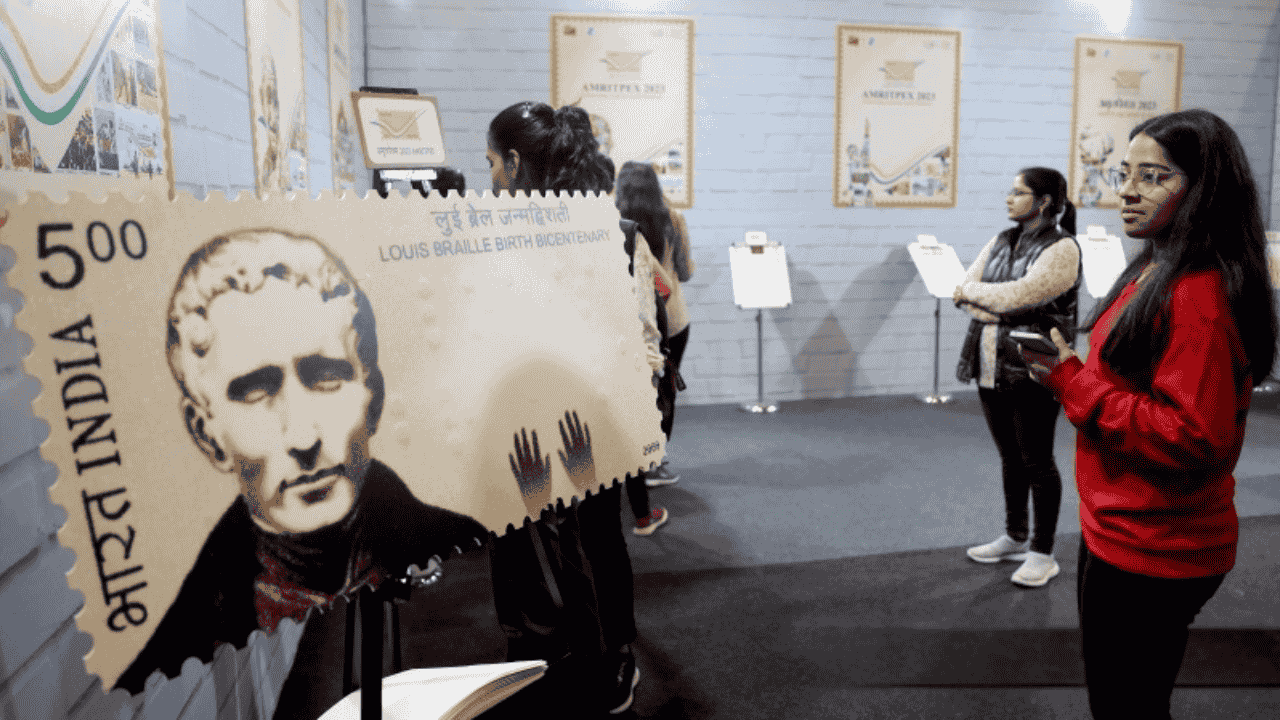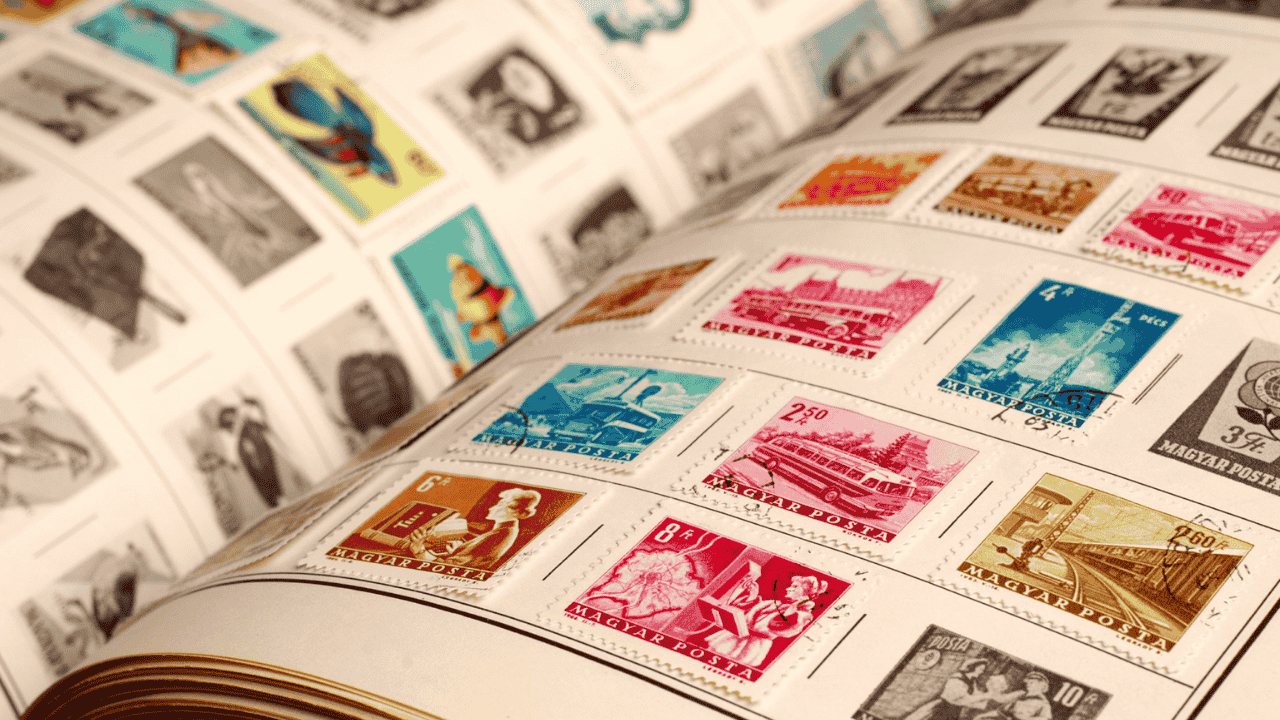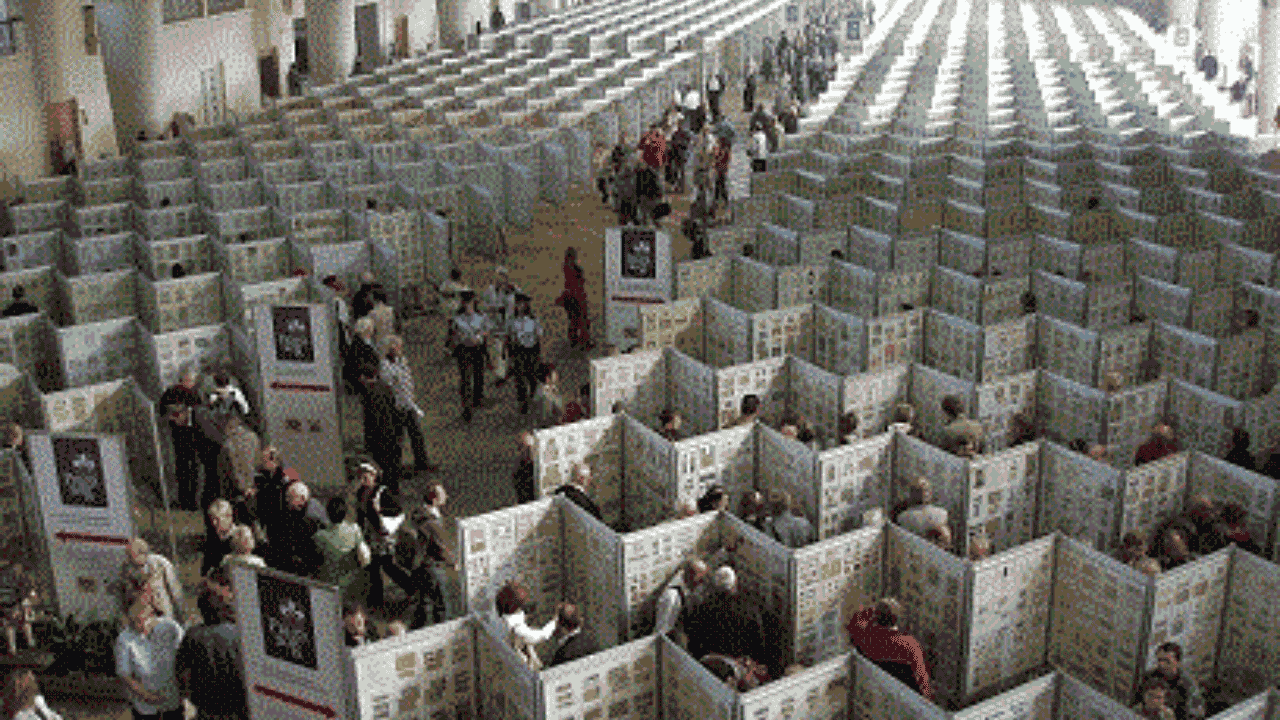
Visiting VII BRISPE can ignite a lasting passion for philately. The carefully curated exhibits, scholarly research, and rare postal artifacts often inspire first-time visitors to begin collecting seriously. However, enthusiasm alone is not enough. Starting a stamp collection requires planning, focus, and a clear understanding of foundational principles.
A structured approach ensures that your new hobby grows sustainably and meaningfully. Instead of collecting randomly, beginners who apply lessons learned from international exhibitions can build organized, research-driven collections with long-term potential.
Table of Contents
Starter Guide
| Starting Step | Primary Goal | Why Important | Beginner Action |
|---|---|---|---|
| Define Focus | Choose a theme | Creates direction | Select one country or topic |
| Set Budget | Control spending | Prevents overspending | Fix monthly limit |
| Learn Basics | Understand terminology | Avoid mistakes | Study catalog references |
| Gather Tools | Protect material | Maintain condition | Buy tongs and albums |
| Buy Smart | Prioritize quality | Preserve value | Inspect before purchasing |
| Stay Organized | Track progress | Enable growth | Maintain records |
Choose Focus
Defining a collecting focus is the first critical step. After visiting VII BRISPE, you may feel drawn to a specific country, era, or theme, such as aviation mail, maritime routes, or imperial issues. Narrowing your focus prevents scattered accumulation and builds depth.
Focused collecting encourages research and storytelling. For example, choosing Brazilian classic issues allows exploration of early postal history, printing variations, and historical context. A clear theme transforms a collection from random stamps into a coherent narrative.
Set Budget
Financial planning protects long-term enjoyment. International exhibitions showcase rare material that may appear expensive or prestigious, but beginners should avoid stretching finances too early. Establishing a monthly or quarterly collection budget ensures steady growth without financial strain.
Budget discipline also encourages strategic purchases. Instead of acquiring multiple lower-grade examples, you can save toward higher-quality pieces that strengthen your collection. Sustainable spending builds confidence and prevents regret.
Learn Fundamentals
Essential Knowledge Areas
- Basic stamp terminology
- Perforations and watermark identification
- Condition grading standards
- Printing methods and varieties
- Postal history context
Understanding these fundamentals reduces costly errors. Catalog study is especially important. Catalogs provide issue dates, variations, and estimated values, helping you identify authentic examples and avoid common reprints.
Educational seminars at events like VII BRISPE emphasize research depth. Adopting a research mindset early enhances the quality and intellectual engagement.
Acquire Proper Tools
Basic Equipment
- Stamp tongs for safe handling
- Stockbooks or albums for storage
- Magnifying glass for inspection
- Watermark detector (if needed)
- Archival-quality mounts
Handling stamps with bare hands can cause damage. Investing in proper tools ensures preservation from the beginning. Storage materials should be acid-free to prevent long-term deterioration.
Preservation habits formed early prevent future regret. Even modest collections benefit from professional-level care.
Buy Carefully
Purchasing stamps requires patience and inspection. Examine centering, perforations, gum condition, and possible faults. If buying higher-value items, request authentication certificates. Reputable dealers provide documentation and clear explanations of condition.
Avoid rushing into rare purchases immediately after an exhibition. Compare prices across dealers or auctions. Learning to evaluate conditions accurately strengthens purchasing confidence.
Quality consistently outweighs quantity in long-term collecting success.
Organize Systematically
Organization transforms a growing collection into a structured archive. Arrange stamps chronologically, thematically, or by postal route depending on your focus. Clear labeling helps reinforce learning and makes tracking progress easier.
Maintain purchase records and documentation. Recording dates, prices, and provenance improves transparency and future resale potential. Organized collections are easier to expand and refine over time.
Build Research Habits
International exhibitions demonstrate how research enhances value. Adding short written notes about each issue—historical background, printing details, or postal usage—adds intellectual depth to your collection.
Research can include reading books, studying archival materials, or joining philatelic forums. Over time, this knowledge allows you to identify rare varieties and avoid misidentified material.
Collections built on research often evolve into potential exhibition projects.
Join Community
Philately thrives on shared knowledge. After visiting VII BRISPE, consider joining a local stamp club or online collector community. Networking accelerates learning and provides access to mentorship.
Experienced collectors often share insights about grading, authentication, and thematic development. Participation in discussions and workshops strengthens confidence and deepens appreciation for the hobby.
Community engagement transforms collecting into a collaborative experience.
Think Long Term
Stamp collecting is a gradual journey. Exhibits displayed at VII BRISPE reflect years of refinement, research, and upgrades. Beginners should view their collections as evolving projects rather than immediate masterpieces.
Gradual improvements—replacing weaker items with stronger examples, expanding documentation, and refining organization—lead to steady progress. Patience ensures that collecting remains enjoyable and intellectually rewarding.
Explore Exhibiting
If inspired by exhibition displays, consider preparing a small thematic exhibit in the future. Even local competitions provide valuable feedback and experience. Structured presentation improves research discipline and narrative clarity.
Starting with a modest exhibit encourages strategic thinking about structure, documentation, and storytelling. Over time, this may lead to participation in larger international events.
Moving Forward
Starting a stamp collection after visiting VII BRISPE offers an exciting opportunity to build a meaningful and organized hobby. By choosing a focused theme, maintaining financial discipline, learning core principles, preserving material carefully, and engaging with the philatelic community, beginners lay a strong foundation for long-term success.
Philately combines history, research, and artistry. With thoughtful planning and steady dedication, your collection can grow from a simple inspiration into a valuable and intellectually rich pursuit that continues to evolve for years to come.