Preparing a competitive stamp exhibit for an international event such as VII BRISPE requires far more than assembling rare material. Successful exhibits combine rarity, research depth, logical structure, and professional presentation. Judges evaluate not only what is shown, but how effectively the story is told and supported with documentation.
Collectors who approach exhibition preparation strategically gain a strong advantage. From selecting the right theme to refining layout details, every decision contributes to scoring outcomes. This guide explains how to build a compelling, high-scoring exhibit that stands out in prestigious international competitions.
Table of Contents
Exhibit Planning
| Preparation Stage | Primary Focus | Key Objective | Common Risk |
|---|---|---|---|
| Theme Selection | Clear subject scope | Strong narrative foundation | Overly broad topic |
| Material Research | Depth of knowledge | Scholarly credibility | Weak documentation |
| Structure Design | Logical flow | Cohesive storytelling | Disorganized layout |
| Material Quality | Condition & rarity | Competitive strength | Ignoring flaws |
| Presentation Layout | Visual clarity | Professional appeal | Overcrowding pages |
| Final Review | Compliance check | Rule alignment | Missing criteria |
Theme Selection
Choosing the right theme is the foundation of a winning exhibit. Successful exhibitors select focused subjects that allow depth rather than superficial coverage. A narrow topic—such as a specific postal route, printing variation, or historical period—creates opportunities for detailed analysis and meaningful storytelling.
Broad themes often weaken competitive strength because they prevent concentrated research. Judges reward exhibits that demonstrate mastery within a defined scope. A carefully selected theme should align with personal collecting interests while offering room for scholarly contribution.
Research Depth
Thorough research transforms a collection into an intellectual exhibit. International juries assess knowledge, treatment, and importance as core criteria. Exhibitors must go beyond describing stamps and instead explain historical background, production techniques, postal usage, and contextual significance.
Strong research includes archival references, expert certificates, and comparative analysis of varieties. Exhibitors who integrate original findings—such as newly identified plate flaws or route reconstructions—often gain scoring advantages. Scholarship signals seriousness and dedication.
Material Selection
Quality Priorities
- High-grade examples with strong centering
- Clear cancellations when relevant
- Verified authenticity certificates
- Rare varieties or significant postal history covers
- Balanced representation across the exhibit scope
Quality outweighs quantity in competitive environments. Including a flawed rare stamp may weaken an exhibit if condition issues are severe. Judges evaluate overall quality, meaning consistency across pages is crucial.
Selective inclusion strengthens narrative clarity. Each item should contribute meaningfully to the story rather than simply filling space. Removing weaker pieces often improves scoring potential.
Structural Design
Exhibit structure determines how effectively judges understand the narrative. A logical progression—chronological, thematic, or technical—creates clarity. Clear section titles and concise introductory statements help guide evaluation.
Exhibits should begin with a well-written plan page outlining objectives and scope. This page sets expectations and demonstrates strategic thinking. Judges frequently refer back to the plan when scoring treatment and coherence.
Transitions between sections must feel natural. Disjointed page organization reduces readability and may lower presentation marks.
Presentation Layout
Layout Essentials
- Balanced spacing between items
- Consistent mounting style
- Legible, concise text descriptions
- Neutral background pages
- Proper alignment and margins
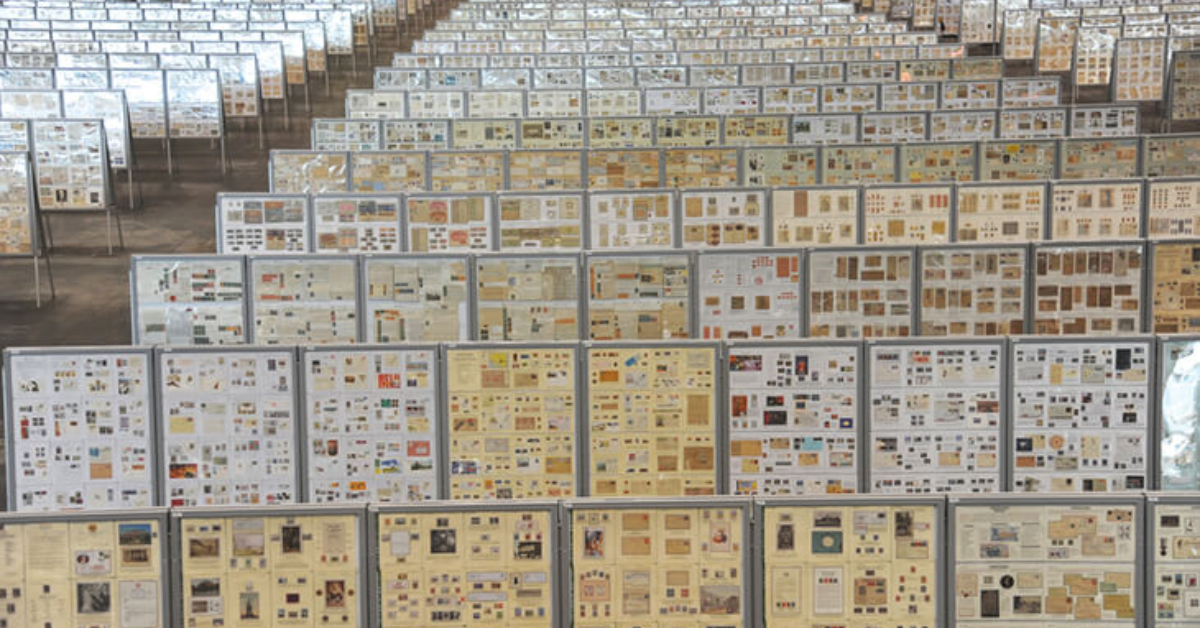
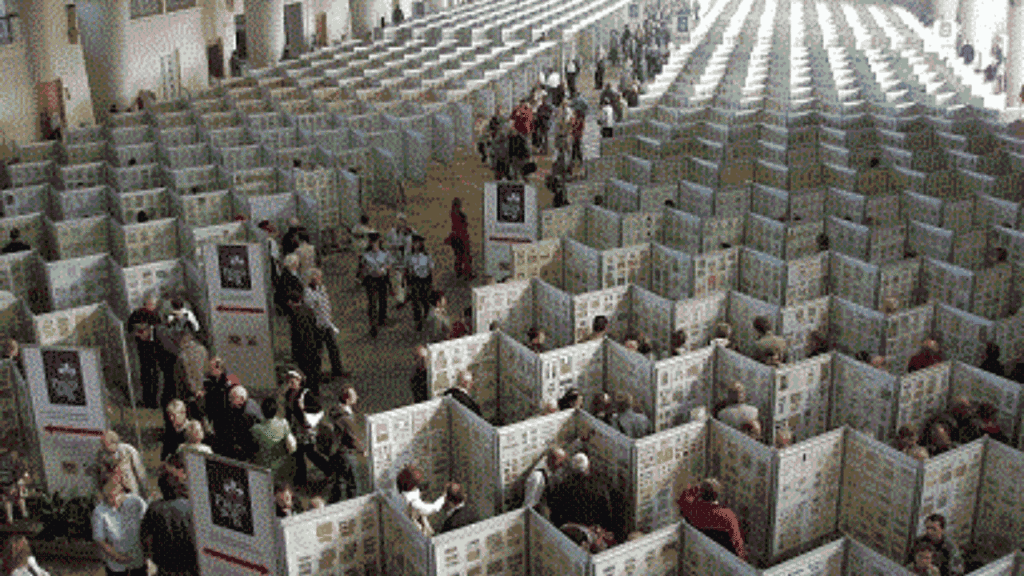
Visual presentation influences first impressions. Overcrowded pages reduce clarity and distract from key material. White space enhances readability and professionalism.
Text descriptions should be informative but concise. Long paragraphs overwhelm judges, while overly brief captions fail to demonstrate knowledge. Precision and clarity create a stronger impact.
Judging Criteria
Understanding judging frameworks is critical for competitive success. International exhibitions typically evaluate:
- Treatment of the subject
- Philatelic knowledge and research
- Rarity and condition
- Importance of material
- Presentation quality
Exhibitors should design their collections with these categories in mind. For example, including rare but poorly explained material may weaken knowledge scoring. Similarly, strong research cannot compensate for consistently poor conditions.
Aligning exhibit design with scoring standards ensures balanced performance across all categories.
Documentation Standards
Authentication and provenance play vital roles in high-level competitions. Exhibits featuring rare or valuable items should include expert certificates when applicable. Clear provenance history enhances credibility and scholarly value.
Proper citation of sources strengthens research legitimacy. Judges appreciate transparency in referencing archival materials, publications, and prior studies. Well-documented exhibits reflect academic rigor.
Maintaining organized records also supports long-term development. Exhibits evolve, and detailed documentation simplifies future improvements.
Time Management
Preparation for major exhibitions requires structured timelines. Rushing exhibit assembly increases the risk of formatting errors or overlooked flaws. Collectors should allocate sufficient time for research updates, layout revisions, and peer review.
Mock evaluations from experienced collectors provide constructive feedback before submission. Revising based on expert suggestions often improves final scoring outcomes.
Early preparation also allows for the replacement of weaker material if better examples become available before the exhibition date.
Professional Feedback
Seeking guidance from seasoned exhibitors accelerates progress. Constructive criticism may highlight overlooked weaknesses in narrative flow, documentation, or material balance.
Participating in smaller regional exhibitions before major international events builds confidence and practical experience. Each exhibition serves as a learning opportunity to refine structure and content.
Continuous improvement distinguishes competitive exhibitors from casual participants.
Long-Term Strategy
Winning exhibits rarely emerge overnight. They develop through years of refinement, research expansion, and material upgrades. Collectors who adopt a long-term mindset gradually strengthen thematic depth and presentation precision.
Upgrading key items, improving layout consistency, and updating research findings enhance competitiveness over time. Sustainable progress ensures steady scoring improvements across successive events.
International exhibitions reward dedication and intellectual growth as much as material rarity.
Final Thoughts
Preparing a winning stamp exhibit for prestigious events like VII BRISPE demands planning, discipline, and scholarly commitment. A focused theme, high-quality material, rigorous research, and professional presentation collectively determine competitive success.
By understanding judging criteria, maintaining strong documentation, and continuously refining structure and layout, collectors can transform their collections into compelling narratives that impress international juries. With patience and strategic preparation, exhibitions become not just competitions, but platforms to showcase expertise and contribute meaningfully to global philately.