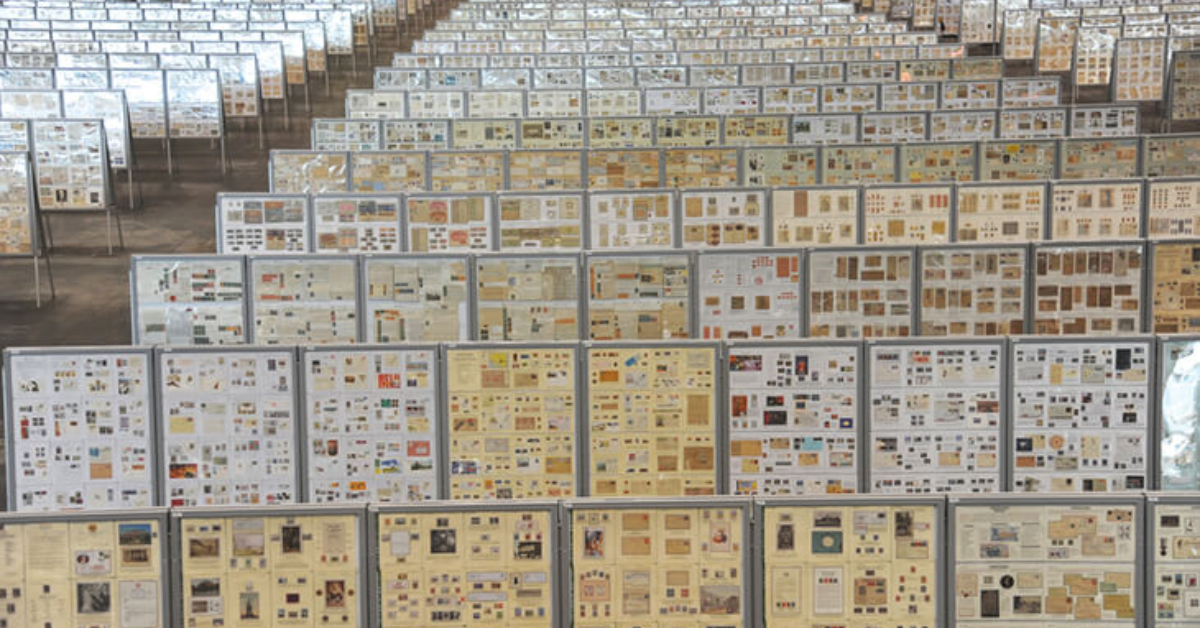
International stamp exhibitions are exciting spaces filled with rare material, expert judges, dealers, and passionate collectors. For newcomers, however, the scale and complexity of such events can feel overwhelming. From misunderstanding judging criteria to overspending at dealer booths, small missteps can reduce both enjoyment and long-term success in philately.
Understanding the most common mistakes helps new collectors navigate exhibitions confidently and professionally. This guide outlines frequent errors and explains how to avoid them, ensuring a more rewarding and strategic experience at major international shows.
Table of Contents
Exhibition Overview
| Mistake Category | Typical Error | Impact | Prevention Strategy |
|---|---|---|---|
| Preparation Gaps | Attending without research | Missed opportunities | Study exhibitors and dealers beforehand |
| Budget Errors | Impulse buying | Financial strain | Set a fixed spending plan |
| Display Issues | Poor presentation layout | Lower judging scores | Follow exhibition guidelines carefully |
| Documentation Weakness | Lack of provenance | Credibility concerns | Maintain certificates and records |
| Networking Oversight | Avoiding expert interaction | Lost learning opportunities | Engage with judges and collectors |
| Condition Neglect | Ignoring stamp quality | Reduced long-term value | Learn grading basics |
Poor Preparation
Insufficient preparation is one of the most frequent mistakes among first-time attendees. New collectors sometimes arrive without reviewing exhibition categories, judging criteria, or dealer lists. As a result, they miss targeted buying opportunities and educational sessions that align with their interests.
Strategic preparation improves the entire experience. Reviewing the event catalog, identifying key exhibitors, and understanding competition classes allow collectors to plan effectively. Preparation also ensures realistic expectations—particularly in highly competitive international environments where presentation standards are exceptionally high.
Impulse Buying
Common Spending Errors
- Purchasing rare stamps without verifying authenticity certificates
- Overpaying due to excitement or perceived scarcity
- Ignoring condition flaws such as thinning, creases, or poor centering
- Spending the entire budget on the first day
Excitement at major exhibitions can trigger impulsive decisions. Dealer booths display rare materials that may appear once-in-a-lifetime. However, emotional buying often leads to regret, especially when collectors later discover condition issues or inflated pricing.
Weak Documentation
In competitive exhibition settings, documentation is as important as the stamps themselves. New collectors sometimes focus solely on acquiring material while neglecting certificates of authenticity, provenance records, or research notes. This oversight can significantly reduce both resale value and exhibition scoring potential.
Strong documentation demonstrates seriousness and scholarly engagement. Maintaining expert certificates, purchase records, and historical references builds credibility. Judges often reward exhibits that combine material rarity with documented research depth, making thorough record-keeping essential for long-term success.
Display Errors
Presentation Problems
- Overcrowded exhibit pages
- Inconsistent mounting styles
- Poorly written or vague descriptions
- Lack of logical narrative flow
Exhibit presentation plays a decisive role in competitive judging. New collectors frequently underestimate how layout and storytelling affect scoring. Overloading pages with excessive material reduces clarity, while inconsistent formatting disrupts visual coherence.
Effective presentation emphasizes balance and structure. Clear headings, consistent mounting techniques, and concise but informative descriptions enhance readability. A strong exhibit tells a story—whether chronological, thematic, or technical—guiding judges through a cohesive narrative.
Ignoring Condition
Condition remains one of the most critical value determinants in philately. Beginners sometimes focus exclusively on rarity while overlooking faults such as tears, heavy cancellations, fading, or repairs. These issues can dramatically reduce both market and exhibition value.
Developing basic grading knowledge prevents costly mistakes. Understanding centering standards, gum condition, perforation quality, and paper integrity equips collectors to evaluate material objectively. Consulting experienced dealers or expert committees during exhibitions can also provide valuable insight before making significant purchases.
Limited Networking
International exhibitions are not only marketplaces but also educational hubs. New collectors often hesitate to engage with judges, scholars, or seasoned exhibitors. This reluctance results in missed mentorship opportunities and slower skill development.
Active participation fosters growth. Asking questions during seminars, requesting feedback on exhibit plans, and discussing collecting themes with experts accelerate learning. Philately thrives on shared knowledge, and networking frequently opens doors to future collaborations and research opportunities.
Rule Misunderstanding
Exhibition rules vary by category and federation guidelines. Some new participants submit exhibits without fully understanding scoring frameworks or class requirements. This can lead to disqualification or unexpectedly low scores.
Careful review of regulations ensures compliance. Understanding criteria such as treatment, importance, rarity, knowledge, and presentation allows collectors to design exhibits strategically. Judges evaluate exhibits holistically, meaning that meeting structural standards is as vital as displaying valuable material.
Overlooking Research
A stamp’s value increases when supported by contextual research. Beginners sometimes assume that rarity alone guarantees competitive success. In reality, exhibitions reward intellectual contribution alongside material strength.
Investing time in archival research, postal history analysis, and production background transforms a collection into a scholarly exhibit. Detailed write-ups explaining routes, printings, and historical relevance demonstrate expertise and commitment.
Short-Term Thinking
Many newcomers approach exhibitions with immediate gain in mind—focusing on medals, quick profits, or social recognition. This mindset can undermine sustainable collecting habits.
Philately rewards patience. Building thematic depth, improving documentation gradually, and refining presentation over multiple exhibitions leads to stronger results over time. Long-term strategy fosters both financial prudence and intellectual satisfaction.
Learning Strategies
Practical Improvements
- Study past award-winning exhibits
- Attend judging feedback sessions
- Practice the exhibit layout before submission
- Seek mentorship from experienced collectors
- Maintain organized acquisition records
Implementing these strategies enhances both confidence and competitiveness. Learning from others’ successes reduces common beginner errors and accelerates progress.
Market Awareness
Understanding current market trends is another area where beginners may struggle. Auction results, dealer pricing patterns, and demand shifts influence purchasing decisions. Without awareness, collectors risk paying above market value.
Monitoring auction catalogs and discussing trends with experts improves decision-making. Knowledge of supply and demand dynamics supports smarter acquisitions and long-term portfolio stability.
The Bottom Line
International stamp exhibitions offer extraordinary opportunities for learning, networking, and acquiring rare material. However, new collectors often encounter avoidable mistakes—ranging from impulsive buying and weak documentation to poor presentation and limited networking.
Success at these events depends on preparation, discipline, research, and long-term thinking. By understanding judging standards, prioritizing condition, maintaining proper documentation, and actively with the philatelic community, newcomers can transform exhibitions into powerful milestones in their collecting journey. With careful strategy and continuous learning, international exhibitions become not just competitive arenas, but gateways to deeper appreciation and lasting success in global philately.