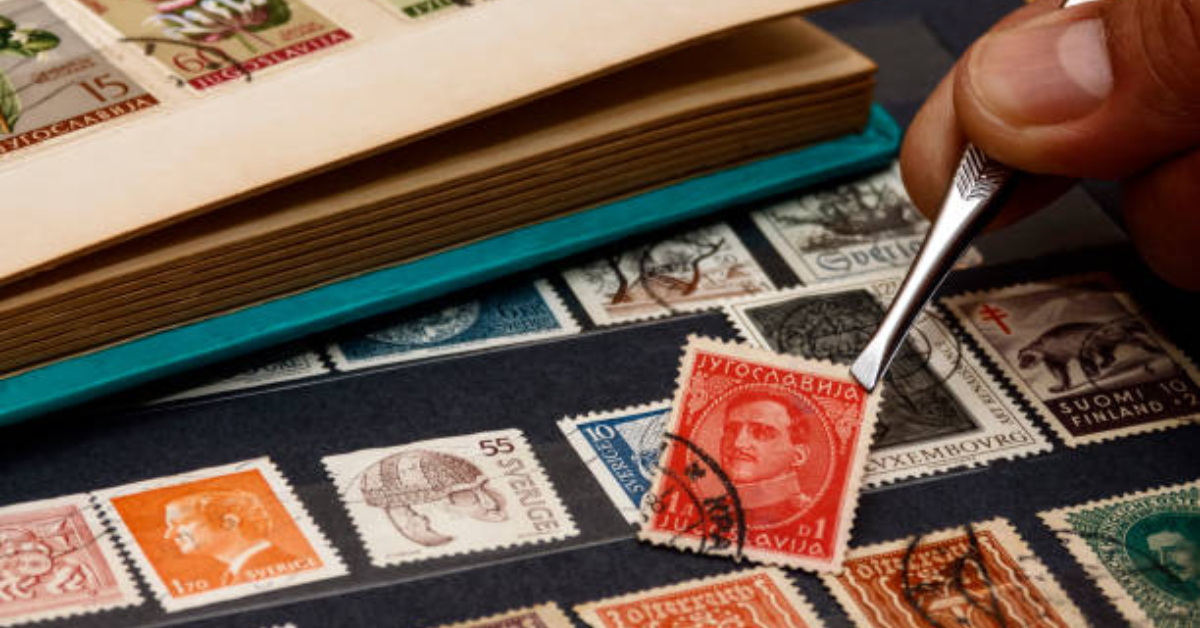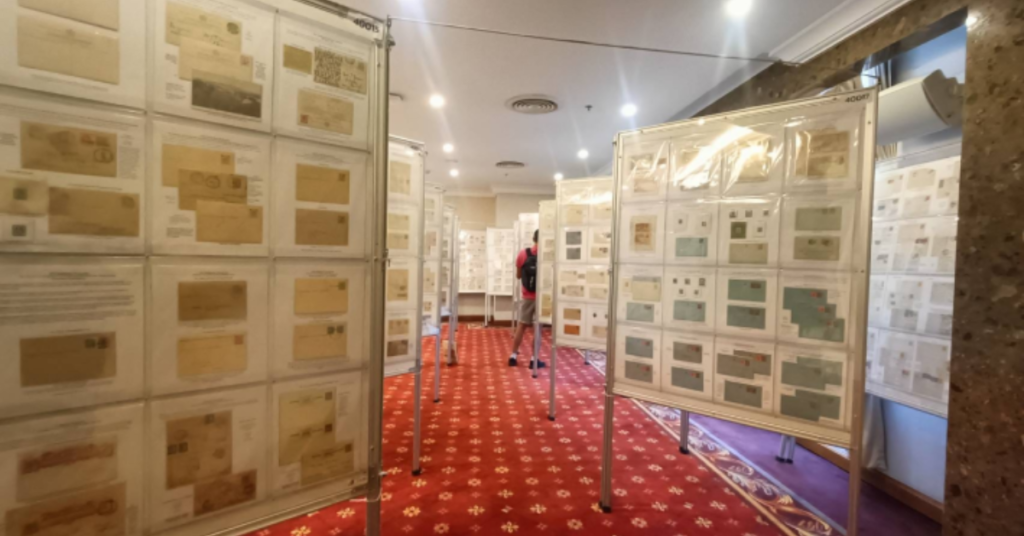
International stamp exhibitions often elevate certain collections into the spotlight. When an exhibit receives a gold medal or a grand prize, attention from dealers, collectors, and auction houses increases significantly. This visibility can influence both perceived and actual market value.
However, award-winning status does not automatically translate into a fixed price increase. The value of stamps after exhibitions depends on rarity, condition, historical importance, provenance, and broader market demand. Exhibitions enhance prestige, but long-term worth is shaped by deeper philatelic fundamentals.
Table of Contents
Value Overview
Factors Influencing Post-Exhibition Prices
| Factor | Impact On Value |
|---|---|
| Medal Level | Higher awards attract stronger buyer interest |
| Rarity | Scarce material sustains long-term premiums |
| Condition Quality | Exceptional preservation raises demand |
| Provenance | Award history strengthens credibility |
| Market Timing | Economic cycles affect final sale prices |
Award Premium Effect
Winning a major medal at an international exhibition often increases a collection’s visibility. Collectors recognize that exhibits are evaluated by expert juries under strict criteria. As a result, award status can serve as a form of quality endorsement.
This endorsement may create a price premium. In many cases, award-winning collections command 10–30% higher prices compared to similar but non-awarded material. For exceptionally rare items, the premium can be even higher, especially if the award contributes to historical significance.
Role Of Rarity
Rarity remains the primary driver of philatelic value. An award does not make a common stamp rare. Instead, exhibitions usually highlight already scarce or historically important material.
If an award-winning exhibit contains unique or limited-surviving examples, demand increases because collectors seek both the item and its exhibition pedigree. Conversely, if the material is relatively available in the market, the price impact may be modest despite the medal.
Condition Matters
Condition significantly affects valuation. Judges at international exhibitions closely examine centering, margins, gum condition, cancellations, and paper quality. Award-winning exhibits typically contain high-grade material.
When such items enter the market, buyers are willing to pay more for superior preservation. Exhibition history reassures buyers that the stamp has passed expert scrutiny, which can justify higher auction results.
Provenance Value
- Exhibition awards create a documented ownership history.
- Medal listings add credibility in auction catalog descriptions.
- Provenance builds buyer confidence.
- Historical exhibition records strengthen long-term appeal.
Provenance is especially important for elite collectors. A stamp previously displayed in a gold medal exhibit carries narrative value. Collectors often appreciate owning material that has participated in significant philatelic events.
Auction Performance
Auction houses frequently highlight exhibition achievements in catalog listings. When a collection is described as “International Gold Medal Exhibit,” bidder interest often increases.
Strong competition can push prices above estimates. However, market results still depend on demand at the time of sale. Economic stability, collector liquidity, and current trends all influence final hammer prices.
Market Stability
- Classical rare stamps maintain consistent long-term demand.
- Modern award-winning material may fluctuate more.
- Specialized areas perform best with active collector bases.
- Global exhibitions broaden international buyer pools.
Award recognition strengthens positioning but does not eliminate market volatility. Long-term value growth remains linked to scarcity and historical importance.
Exhibit Versus Individual Items
Sometimes collectors sell entire award-winning exhibits as intact collections. In such cases, the cohesive narrative and established presentation can add significant value.
Alternatively, exhibitors may break up collections into individual lots. While individual rare pieces can perform strongly, the collective prestige of a complete exhibit may diminish when dispersed. Buyers sometimes pay more for intact, celebrated collections.
International Recognition
International exhibitions often attract global attention. Award-winning material gains visibility beyond local markets. This international recognition can expand the pool of potential buyers.
Greater exposure increases competition, especially for specialized or historically important items. Global demand tends to support stronger price performance compared to regional-only recognition.
Long-Term Appreciation
Philatelic history shows that items with documented exhibition success often maintain strong long-term appreciation. The combination of rarity, research depth, and award recognition enhances collector confidence.
However, speculation alone does not guarantee sustained growth. Stamps grounded in historical importance and genuine scarcity tend to perform better than trend-driven thematic material.
Emotional And Prestige Factors
Collectors sometimes value award-winning stamps for emotional reasons. Owning a piece that achieved international recognition carries prestige within the philatelic community.
This prestige may not always be measurable in percentage terms, but it influences buyer willingness to pay. Psychological value plays a role alongside financial considerations.
The Bottom Line
Award-winning stamps can experience noticeable value increases after international exhibitions, particularly when rarity, condition, and historical significance align. Medal recognition enhances credibility, strengthens provenance, and attracts greater buyer attention.
Nevertheless, exhibitions amplify value rather than create it. The strongest long-term performance comes from material that combines scarcity, research depth, and documented authenticity. For collectors and investors alike, award status is an advantage—but fundamental philatelic quality remains the true determinant of worth.